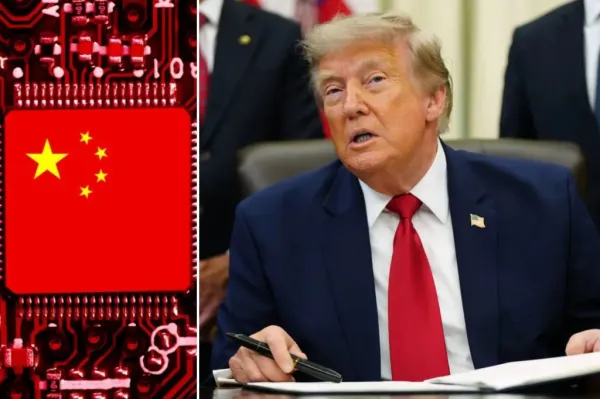
On Nov. 25, three weeks after his party lost both houses of Congress, President Donald Trump proposed new tariffs on 14 major trading partners — including China, the European Union, Japan, and India — over what his administration calls structural excess industrial capacity.
Many politicians would have read the midterm elections as an order to retreat, as Democrats won at least 228 House seats. Voters blamed tariffs, the war in Iran, and high prices. Trump kept going. Whatever one thinks of tariffs, that is what leadership is supposed to look like: Conviction about the country’s long-term interest rather than obedience to the political wind. Ronald Reagan showed the same steadiness when he held to painful anti-inflation policy through heavy midterm losses in 1982, then carried 49 states two years later.