

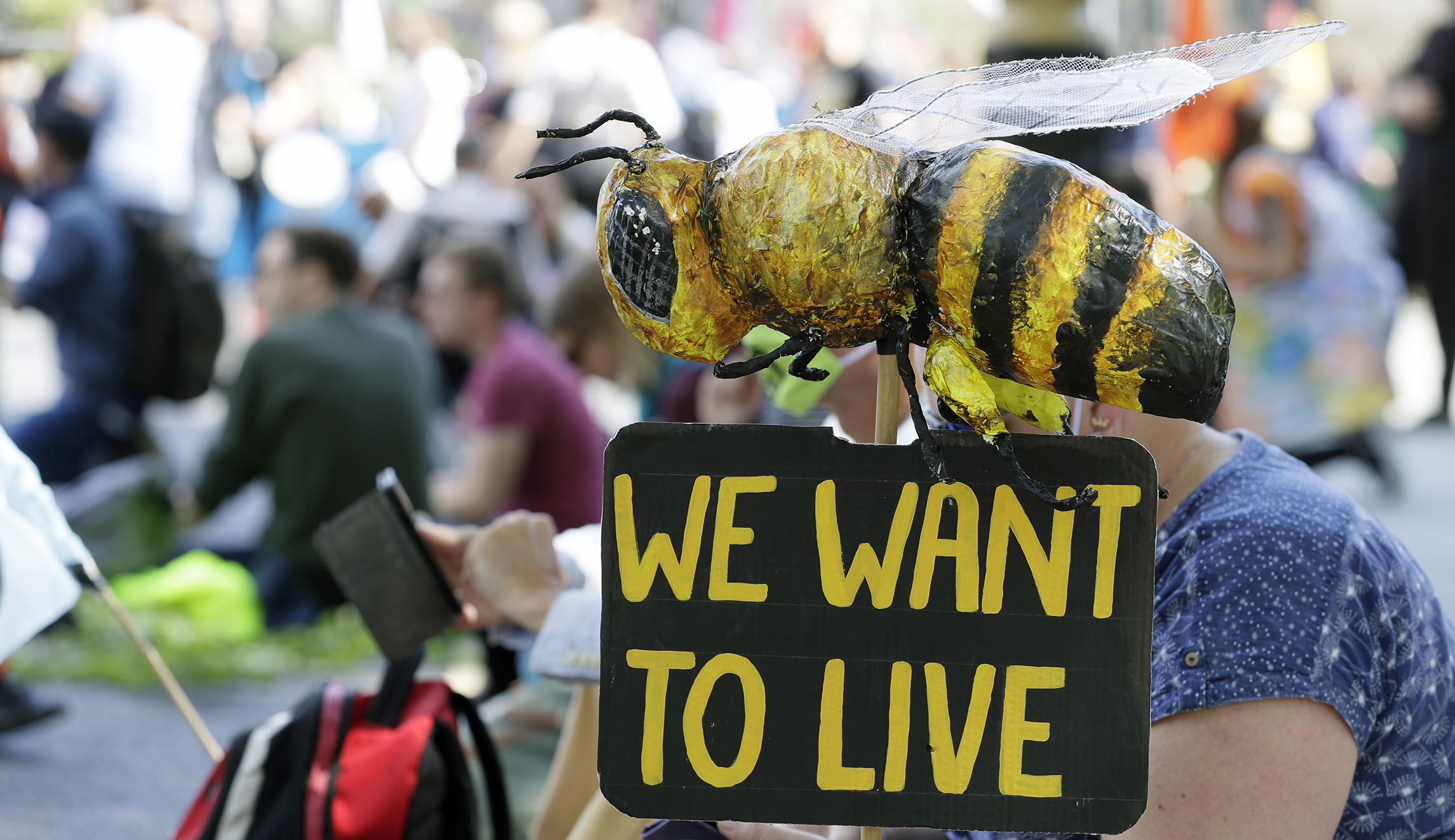
During the years I’ve been writing about bees, there has been a litany of supposed catastrophes widely trumpeted in the press, only to be revealed a short time later to be wholly fictitious. In no case have problems been connected to the state-of-the-art neonicotinoid insecticides that activists like to single out as the culprit.
The first instance was the famous “bee-pocalypse,” the much-ballyhooed imminent extinction of the world’s honeybee population that turned out to be an activist-generated media mirage. This was supposedly so serious and urgent (because, we were told, three-quarters of everything we eat is dependent on honeybees, and we were faced with worldwide famine) that in 2013, the European Union, acting on the “Precautionary Principle,” instituted an immediate ban on neonics, with what have turned out to be catastrophic effects on European farmers.
Stay informed.Stay ahead.
Join Washington Examiner for unlimited access to the news, analysis, and commentary that matter most.
Already a member? Log in
