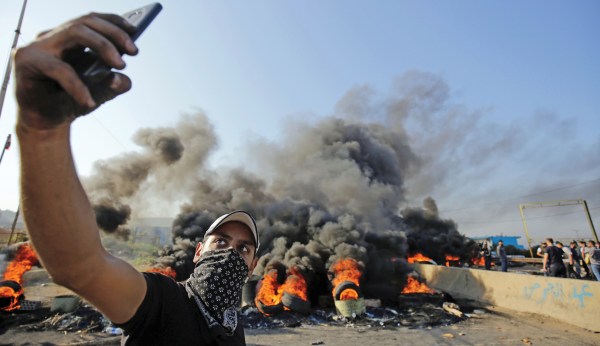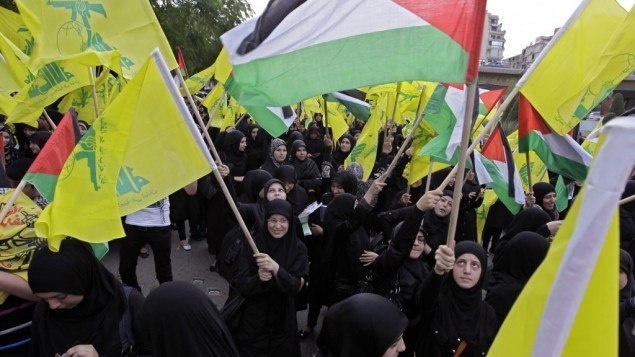
If it bleeds, it leads. American, European, and even Arab news focuses on the disaster that so much of the Middle East has become: Civil war has displaced half of Syria’s population, either internally or as refugees. Hundreds of thousands more Syrians are dead or missing. Yemen, too, continues its descent into civil war and state failure, with Libya not far behind. Hezbollah’s rise in Lebanon imperils civil society there, and Hezbollah’s patron Iran remains the world’s largest sponsor of terror. While the Palestinian-Israeli conflict shows no sign of abating, Hamas in the Gaza Strip and corruption and poor governance among the Palestinian Authority pose as much if not more of a threat to Palestinian society. The repercussions of journalist Jamal Khashoggi’s murder, meanwhile, continues to rock Saudi Arabia. Turkish President Recep Tayyip Erdogan may seek the high ground in that one case in order to launder his image, but that is hard to do when his country has become the world’s largest prison for journalists.
In short, it’s easy to think about the Middle East in terms of a race to the bottom and as ground zero for conflict, repression, and state failure.