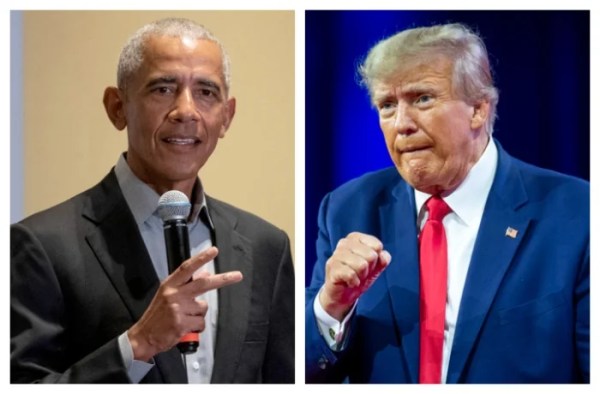
America’s foreign policy since Sept. 11, regardless of which party held the White House, has been one of perpetual conflict abroad. Whether President George W. Bush’s Iraq and Afghan wars, President Barack Obama’s excursions into Syria, back into Iraq, surges in Afghanistan, and his unnecessary military support in Yemen, or President Trump’s maximum pressure campaign against Iran (which brought America to the brink of war in January), our military-first policies have failed to make our country more secure and have weakened our armed forces. If improving America’s security is the objective, there is a better way to do foreign policy, one that we have used successfully in the past — and that the incoming Biden administration should learn from.
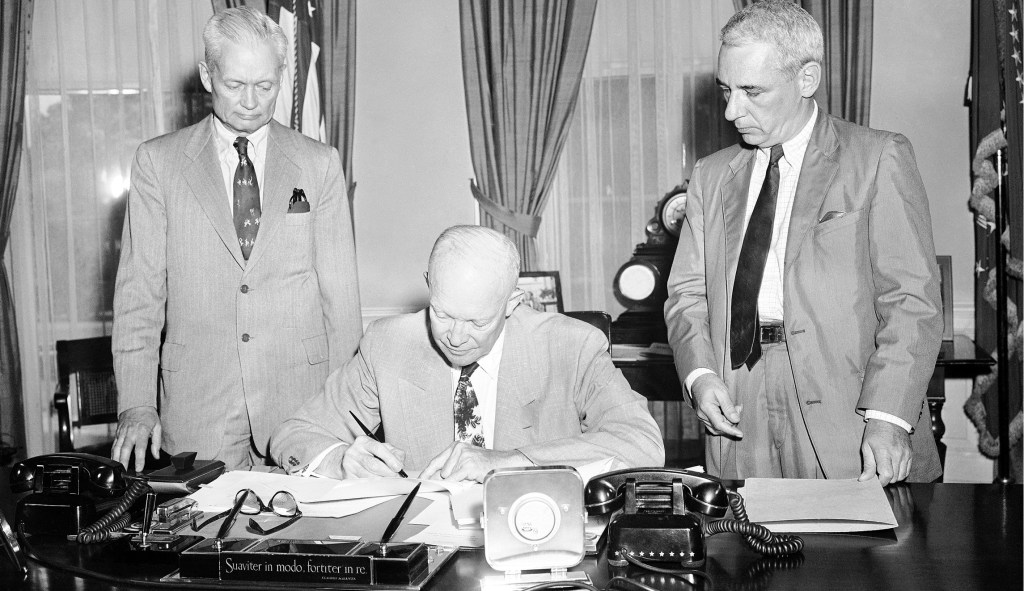
Since 1953, there have been three presidents who produced both a booming economy and a secure nation while refusing to be drawn into unnecessary military conflicts. Presidents Dwight D. Eisenhower, John F. Kennedy, and Ronald Reagan struggled to find the balance between maintaining security for the nation and deciding whether or not to use force. All three faced major foreign crises that could have sucked the United States into war. The policies they successfully employed are instructive to us today.