

It’s a beautiful irony that Ottessa Moshfegh’s readership, consisting of the prim and proper elite set, gobbles up her highbrow depravities, and it’s all the better that she seems to get off on it. You will read about a drugged-out woman who sleeps for a year (My Year of Rest and Relaxation) and an alcoholic sailor suffering from a traumatic brain injury (McGlue) and a plethora of self-destructive young women who dive headlong into the urban squalor that surrounds them (Homesick for Another World), and you will like it, Moshfegh says with the grand bemusement that has come to define her.
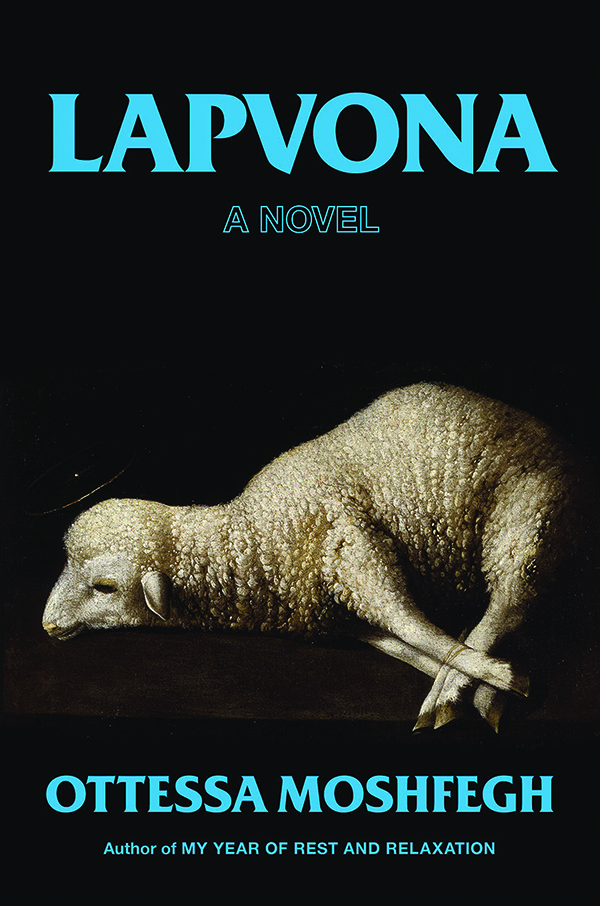
The great writers craft their literary shticks with as much focus and care as they do the actual craft of writing, and Moshfegh is no different, which is what makes her one of our few living masters. The work and the construction of the persona that delivers it play off one another, often creating jarring juxtapositions — such is the case with Moshfegh: She is the eminently stylishly disconnected woman (she’s not on social media) who is so connected with her own psychic darkness that only she can understand our current condition. It’s a tremendously effective literary shtick, and one that readers and critics alike have embraced, but with her latest novel, Lapvona, which takes place in the titular medieval village, Moshfegh is pushing the limits of her singular depravity and daring her followers to stick with her. The result is a gratuitously violent and often disgusting novel that, while uneven, is a hilarious thrill to read. I cringed and was grossed out on several occasions, but whenever I thought of Moshfegh’s pristine readership having to stomach cannibalism or a beheading, I couldn’t help but crack up. She’s a master, all right, I thought.
Stay informed.Stay ahead.
Join Washington Examiner for unlimited access to the news, analysis, and commentary that matter most.
Already a member? Log in
