

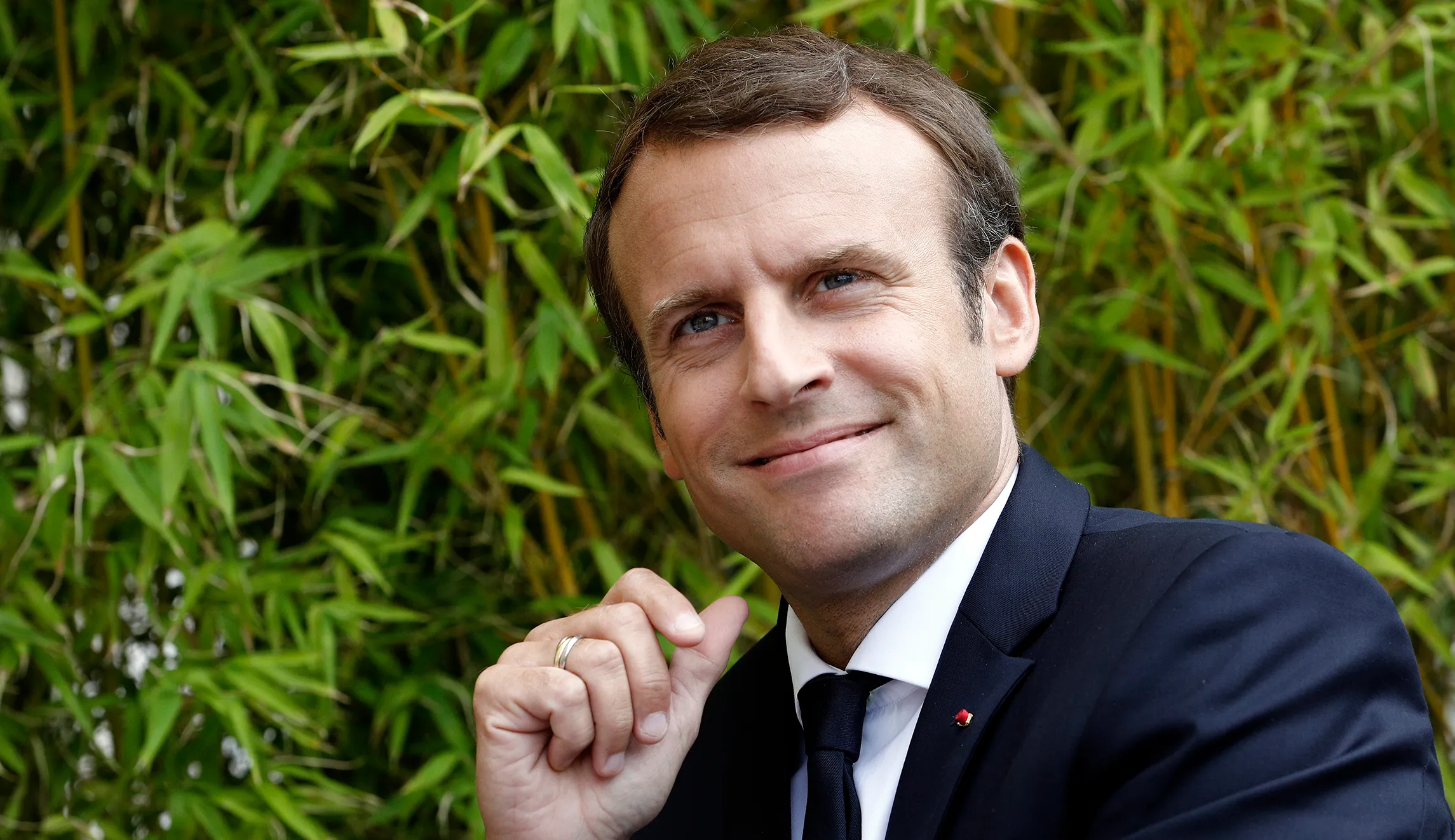
President Emanuel Macron emerged from the first round of France’s election yesterday, finishing ahead of Marine Le Pen 28% to 23%. The general expectation is that he will beat Le Pen by a wider margin in the second round, two weeks from Sunday, as he did in the second round two years ago. His lead in the first round four years ago was only 24% to 21%, but in the second round, he ran far, far better, winning by a 32-point margin. Will the result be similar this time? That probably depends partly on the performance of the two candidates in the runoff period. Four years ago, the consensus was that Macron outdebated Le Pen. Obviously, there will be an argument by what we might call establishment voices that, whatever Macron’s shortcomings might be, the purported extremism of Le Pen should be repudiated.
Let me, as a nonprofessional and occasional observer of French electoral politics over the years, make one point that struck me as I picked through the detailed election data provided, just one day after the election, by Le Monde. (Yes, California, there’s really no need to take five to six weeks to tabulate election results.) Macron is by any standard a centrist candidate and incumbent in an era in which centrists have not done so well in electoral politics in America or Europe. He was formerly a Cabinet minister in the government of Socialist President Francois Hollande (whose party’s candidate got just 1.8% of the vote yesterday), who has promised to reinvigorate France’s affluent but not buoyant economy. In this contest, as in 2017, his two strongest opponents were clearly identified with the Right and the Left.
Stay informed.Stay ahead.
Join Washington Examiner for unlimited access to the news, analysis, and commentary that matter most.
Already a member? Log in
