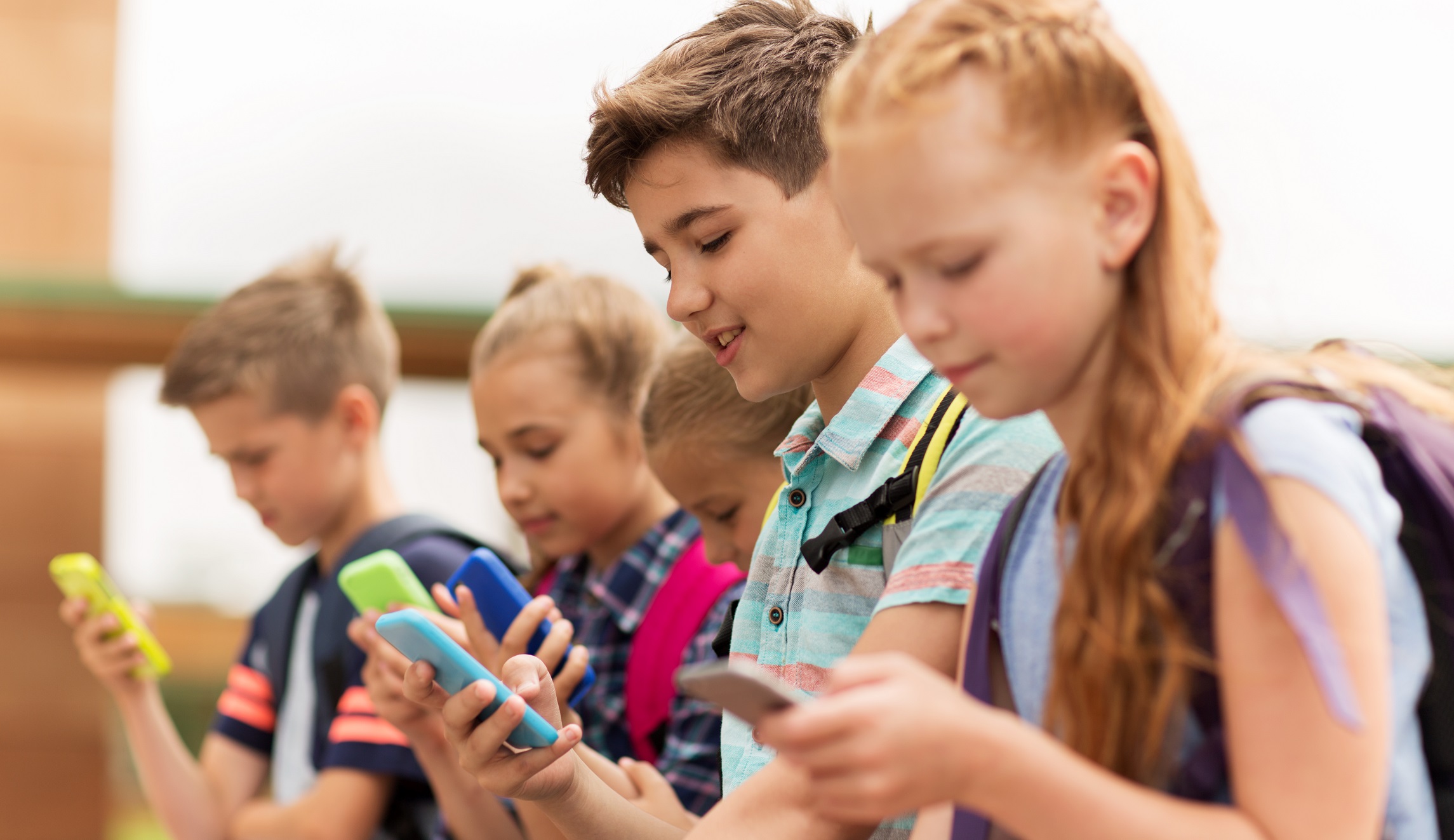
My children have been in school for more than a month. If our county government had its way, today would be, or might have been, their first day of school.
A look back at the last month, at what has happened in schools, in the surrounding community, and in the country, shows the folly of the county government’s efforts to close every single school, public and private.
Recommended Stories
After business hours on Friday night, July 31, the health officer of Montgomery County, Maryland, announced without any warning that he would bar all non-public schools from opening until at least Oct. 1. A few days later, the school board voted to close public schools.
Travis Gayles’ contention was that community spread was too high. His implication was that no efforts taken by schools, requiring masks, limiting class size, emphasizing the outdoors, modifying HVAC systems, or allowing students and teachers to opt to stay home, could make schools safe.
For many private schools, where the faculty didn’t want to return, this was an opportunity to give up and go fully remote. But parents, teachers, and school heads reacted with outrage. Gayles dug in. The county council, supported by teachers unions, backed Gayles. Only after multiple interventions by Gov. Larry Hogan did Gayles finally relent, and rescind his blanket ban.
Beginning in late August, private schools in the county started opening. Every school I know of requires masks and limits class sizes. Many take students’ and parents’ temperatures every day. All are implementing social-distancing rules and capacity limits. All are canceling unsafe activities.
I have heard many parents at our schools comment on how being in school has affected their children. “It’s like she’s a new kid. She was in such a funk for months until she got back to school.” Meanwhile, I’ve heard mixed stories from the world of remote schooling, including teachers who just feel slammed and parents who are about to break.
Every school is required to report any COVID-19 case or suspected COVID-19 case of a teacher, staff, or student. The county has conducted a few dozen “investigations” and, by my count, found somewhere from five to 30 positive cases. (The county says they don’t have the numbers compiled yet.) In one or two cases, according to public comments, there may have been transmission in school. In every other case, a teacher or student got sick at home or elsewhere, and some people had to stay home as a consequence.
There is no reason to believe that any more people got sick from school being opened for this month than would have gotten sick if Gayles had gotten his way and school was closed. That is, the school closure policy Gayles tried to force on private schools would not have kept anyone safe. It merely would have deprived thousands of students, parents, and teachers of the incalculable benefits of in-person schooling.
Despite the zero or near-zero spread of the virus within schools since classes started, there has been a slight uptick in the county in recent days. In the last two days, 3.7% and 4.2% of tests have come back positive, compared to the roughly 2.5% average over the past two months. This increase matches the increase in cases in other parts of the East Coast.
Who knows why? Maybe it’s NFL season bringing people into our open bars and restaurants for hours at a time. Maybe it’s cooler weather. But again, were it demonstrably spreading in our private schools, Gayles would be all over that.
If it has to do with weather or seasons, we may be looking at the first days of a second wave on the East Coast. If the wave gets bad enough, schools that are open, public schools in other municipalities and private schools in Montgomery County, may have to close their doors.
If that happens anytime soon, the schools that have been closed, such as our public schools and some private schools, will have missed a golden opportunity. It could be that August and September were the two months of lowest community spread we will enjoy for a while. It could be that these past four to six weeks were the safest four to six weeks in which to hold in-person schooling.
And even if every school has to close up, the ones that had a real first day in August or September, and have been open or mostly open since then, will be in the best position.
The students and teachers have gotten to know one another personally for weeks. This bond will allow teachers to teach better, because they better know their students. It will drive up student participation in online learning, because the students feel attached to their teachers and classmates.
The risk of a flu-season second wave has long been known. Getting children in-person schooling before it hits — if it hits — always made sense. Trying to delay school opening until October never made sense.
