
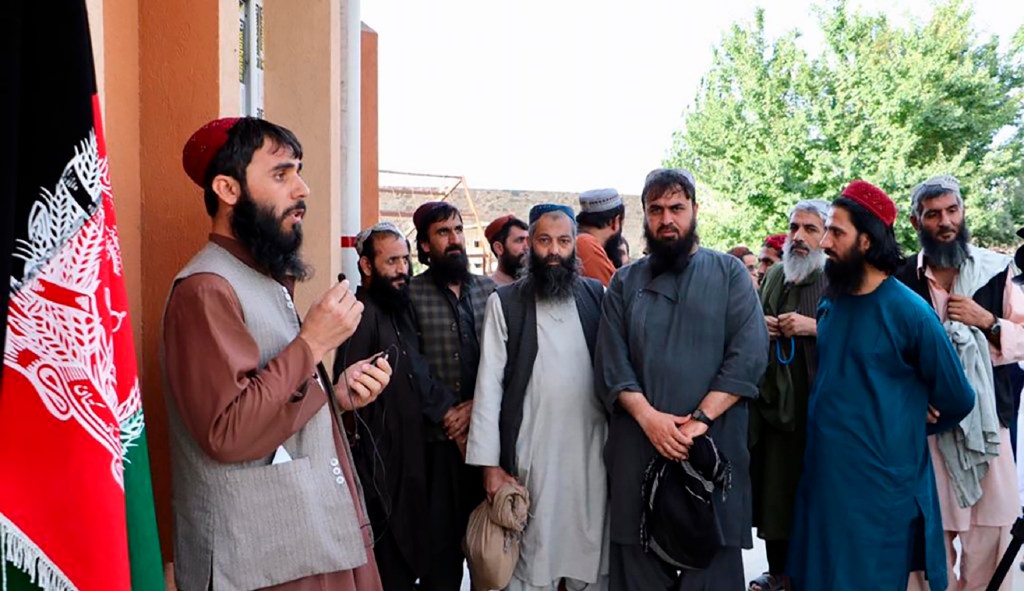
If only U.S. officials spent as much effort negotiating their deal with the Taliban as they have trying to scapegoat the Afghan government as they paper over the deal’s deficits.
First, consider the basics: On Feb. 29, 2020, Special Envoy Zalmay Khalilzad signed an agreement with Taliban negotiators based in Qatar. While often described as an Afghan peace deal, this is inaccurate: Khalilzad negotiated the agreement only with the Taliban, a group with which he once sought to do business. Not only did he cut out the Afghan government from the process, but he and Secretary of State Mike Pompeo sought to punish allied Afghan officials who raised concerns about American concessions. The State Department would meet with Taliban officials with blood on their hands, but blacklisted Afghan National Security Adviser Hamdullah Mohib because he criticized Khalilzad’s approach, and denied visas to Amrullah Saleh, a generally pro-Western former Afghan intelligence chief and interior minister who now is the elected vice president. For all the Trump administration prides itself on a different approach than its predecessors, on Afghanistan at least, Pompeo and Khalilzad engaged in John Kerry-style “bash your friends and fete your enemies” diplomacy.
Real journalism.Trusted by millions.
Unlimited access to in-depth reporting, expert analysis, and the stories that shape our country.
Already a member? Log in