

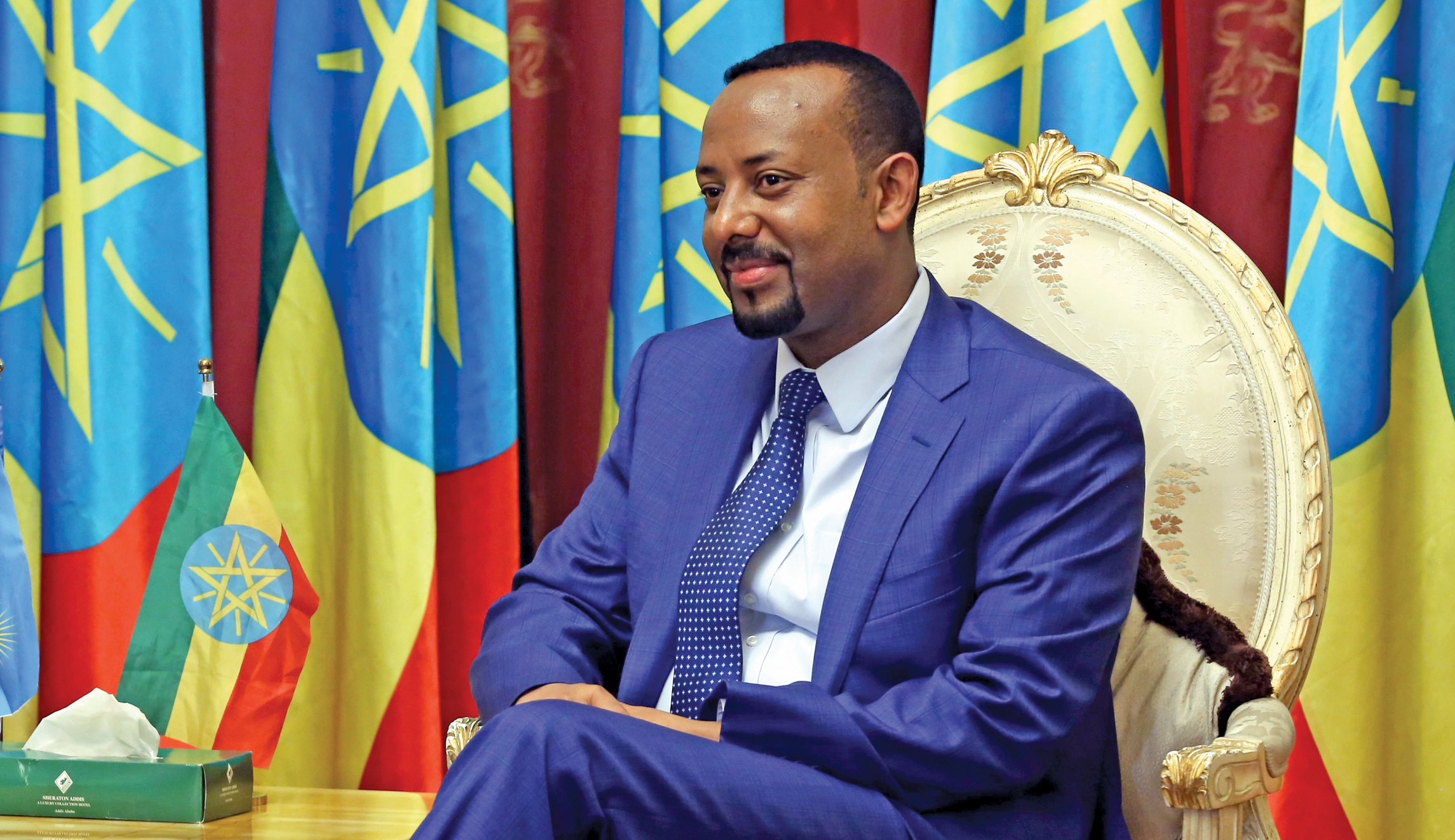
It was among the century’s great feats of moral and political courage, the kind of bold action the Nobel Peace Prize was created to honor. On July 8, 2018, Ethiopian Prime Minister Abiy Ahmed ended his country’s state of war with neighboring Eritrea, reversing a seemingly intractable stalemate. Ahmed flew to the enemy’s capital for a surprise peace summit and committed to withdrawing his military from all disputed territory, the sticking point in a conflagration that killed over 70,000 people in the late 1990s, one of the world’s last major interstate wars, incidentally, and has warped the political economy of east Africa ever since.
A long-sealed border opened for the first time in 20 years. Families reunited. Flights between Addis Ababa and Asmara resumed. Ahmed, who had been Ethiopia’s leader for only three months, delivered a miracle of a kind that eluded India and Pakistan, Israel and the Palestinians. He had decided of his own initiative that a pointless and wasteful fratricidal conflict had gone on long enough and then did something about it. In return, he won the 2019 Nobel Peace Prize on Oct. 11.
Stay informed.Stay ahead.
Join Washington Examiner for unlimited access to the news, analysis, and commentary that matter most.
Already a member? Log in
