

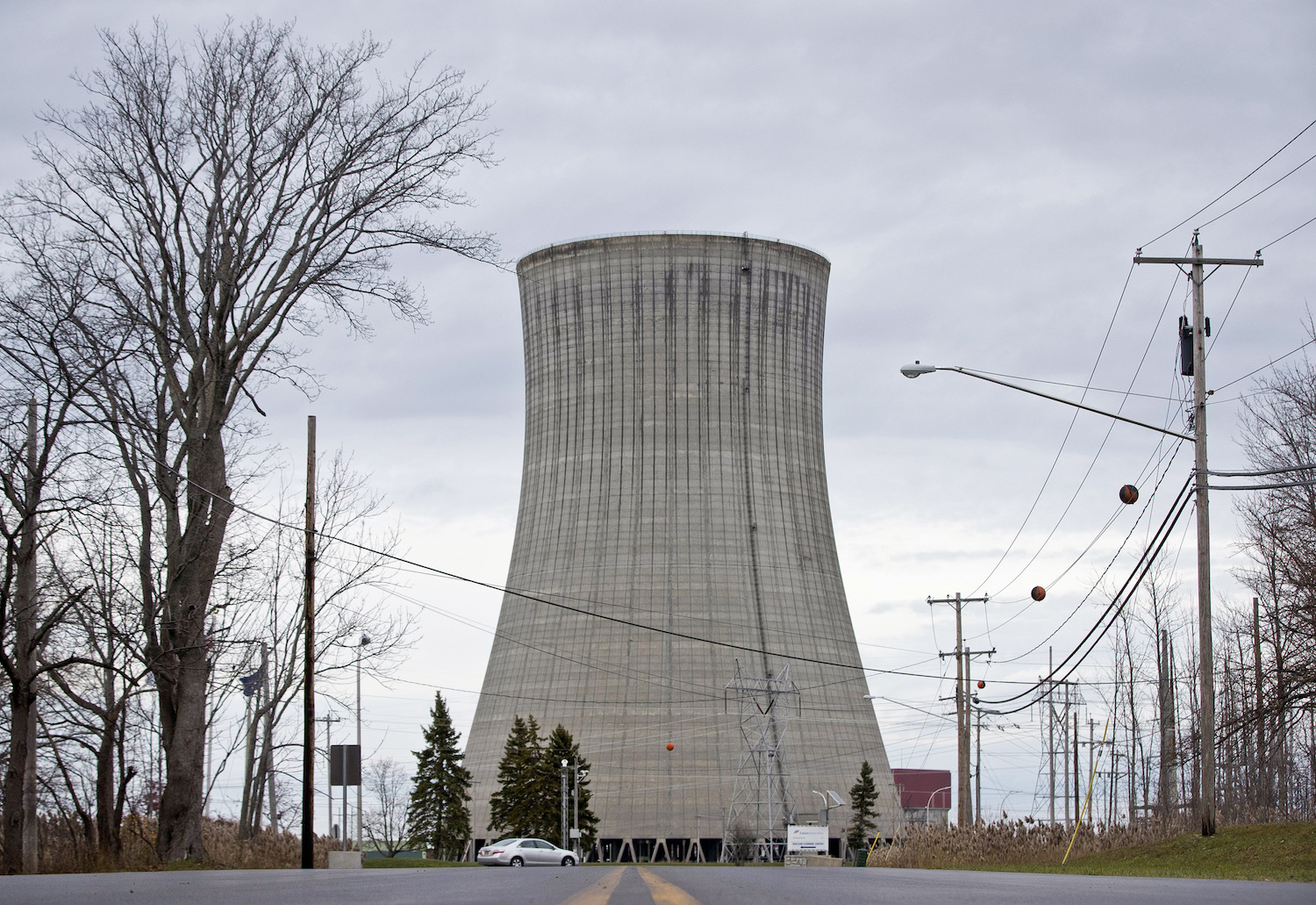
Substantially higher costs of building nuclear power plants have recently forced Scana Corp. to terminate delayed building of two reactors in South Carolina and Southern Co. to potentially end their project in Georgia. Fewer active nuclear reactors is the current trend in the U.S., from 105 in 2012 to a planned 93 by 2019. This trend contributes to the Energy Information Administration noting that U.S. electricity generated from nuclear energy in March and April this year was surpassed by a combination of other renewable energy sources for the first time since July 1984.
While this could be a short-run victory for the renewable energy portfolio, with one-time contributing weather events in California, governmental efforts to further increase electricity generation from solar and wind mask the potential of a cleaner, more scalable nuclear energy that’s riddled with excessive regulation. Fortunately, President Trump’s newly Senate-confirmed Federal Energy Regulatory Commission Chairman Neil Chatterjee believes that “baseload power [nuclear] plants should be recognized as an essential part of the fuel mix.”
Stay informed.Stay ahead.
Join Washington Examiner for unlimited access to the news, analysis, and commentary that matter most.
Already a member? Log in
