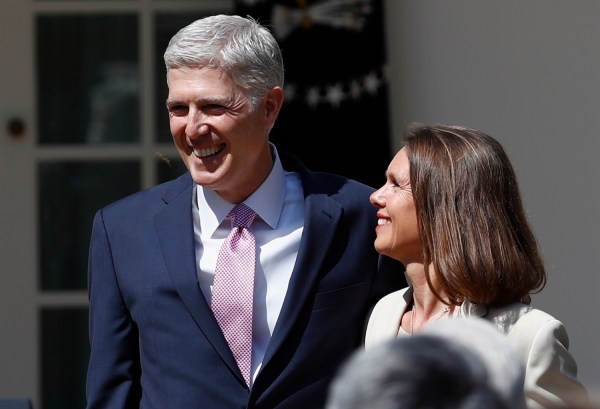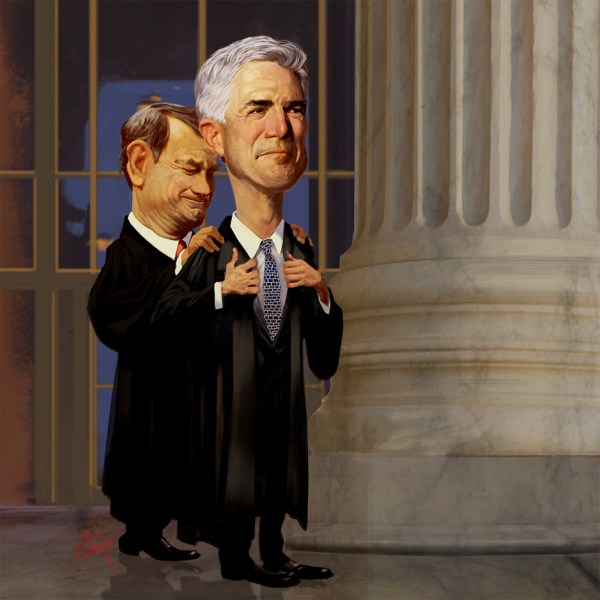
As the nomination hearing of Judge Neil Gorsuch to the U.S. Supreme Court is set to begin today, it is important to remember that his nomination has been met with a great consensus of support from both sides of the political aisle. Even President Barack Obama’s former Solicitor General Neal Katyal has urged confirmation, noting that Judge Gorsuch’s “years on the bench reveal a commitment to judicial independence” and a record “that should give the American people confidence that he will not compromise principle to favor the president who appointed him.” Such support is unsurprising given Judge Gorsuch’s sterling judicial record.
In many ways, Judge Gorsuch will be the intellectual heir to the late Justice Antonin Scalia. Like Justice Scalia, Judge Gorsuch’s record reveals him to have a moderately originalist approach to constitutional issues, a moderately textual approach to statutory issues and perhaps most importantly an open mind that allows for the use of other modes of interpretation when they are necessary and appropriate under the law. And like Justice Scalia, Judge Gorsuch’s record reveals that he consistently, meticulously and zealously applies express constitutional protections in favor of criminal defendants and those against whom the coercive power of the government is deployed. His dissent in A.M. v. Holmes, where he found that a police officer violated a student’s rights, best displays his sensitivity to the power of the government being used arbitrarily against its citizens.