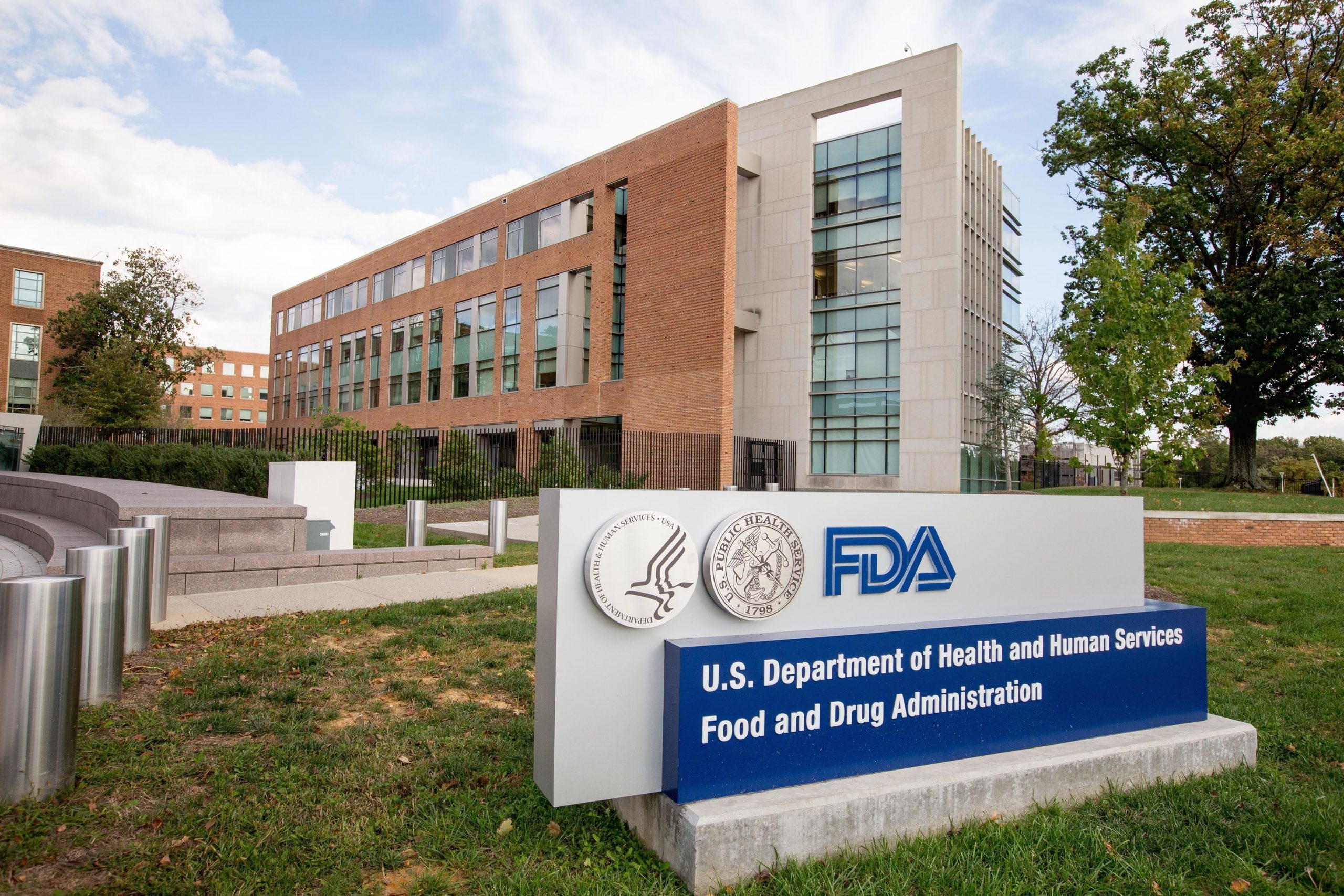
The Food and Drug Administration, along with the Centers for Disease Control and Prevention, failed America with its coronavirus response. The CDC bears enormous fault for violating its own manufacturing standards and then distributing a faulty test — one that had been contaminated with the coronavirus—to labs throughout the country. In addition, FDA decisions in February and March hampered and delayed development of tests for the virus and the production of protective equipment.
While these failures are extremely visible and have caused needless deaths, the agency’s regulatory approach has led to less visible mistakes for decades. A silver lining from this crisis is that the FDA’s failures can and should lead to an overhaul of the agency and a reduction in the significant, but often hidden, harm it causes.
Recommended Stories
Although CDC developed and distributed a defective test and was beset with management problems, the bad test quickly became clear to scientists in universities, hospitals, and public and commercial labs. Many of them went to work creating useful tests. But, the ingenuity and entrepreneurship of the private sector was “paralyzed by a bloated bureaucratic/administrative process,” according to one lab’s medical director.
The Washington Post reported that “leading clinical labs were spending much of their time and energy on the FDA’s paperwork and data demands to win approval for their tests.” The Mayo Clinic created a rapid response team, and one third of its members were working 15-hour days for three weeks solely to meet FDA paperwork demands. New tests were sitting unused at labs around the country while precious time in our nation’s response was lost. The FDA initially required private labs to replicate the Center for Disease Control’s test design and have the agency review them before they could test.
A University of Washington scientist called the FDA’s process “pernicious” and said that it “kneecaps our ability for preparedness.” Current and former FDA officials, as well as researchers and doctors, viewed the FDA as a roadblock. The FDA also delayed the development of at-home tests.
FDA policies also stymied importation protective gear, such as masks and ventilators, leaving valuable equipment stuck in customs awaiting review for weeks. The FDA also limited domestic mask production, since it needed to certify all production lines for masks for health care workers even if already certified by other government bodies. The FDA imposed absurd daily limits on the number of masks that could be disinfected, a roadblock that Ohio Gov. Mike Dewine called “nothing short of reckless.” Fortunately, President Trump intervened to undo these limits. The FDA also frustrated hand sanitizer production, and the White House had to unblock this production as well.
From a cost-benefit perspective, the FDA has powers that can lead to two kinds of errors. The first is approving products, medications, or tests that create harm. The second is delaying or preventing products, medications, or tests that produce benefits relative to what may already be on the market.
When the FDA makes the first type of error and approves drugs or unreliable tests, the mistake leads to visible harm to victims. On the other hand, when the FDA fails to approve certain drugs or tests, it’s unknown who would have benefitted and therefore is harmed by not having the product. Because the second category of harm is less visible, the FDA has institutional incentives to delay and stop the release of new products.
This delay and prevention often has tragic results. The powers granted to FDA in 1962 to review the efficacy of drugs as well as their safety likely led to a more than 50% drop in new drug approvals. Moreover, time to approve a drug in the United States began to significantly exceed approval time in Europe. Even though fewer drugs were approved in the U.S., researchers did not find evidence of fewer recalls here than in Europe. In another study, economists found that the FDA’s extremely slow approval for a beta-blocker in the 1970s was responsible for tens of thousands of premature deaths. Importantly, many drugs are not developed because of stringent FDA regulations and this is extremely costly.
In 2012, Congress investigated the FDA’s role in exacerbating a shortage of generic injectable drugs—drugs typically used in cancer treatment. It turns out that the FDA had dramatically stepped-up its enforcement activity of facilities making these products, and this shut down substantial production capacity. According to Scott Gottlieb, who would serve as FDA commissioner from 2017-2019 and launch several agency reforms, the FDA’s earlier overly-aggressive oversight actions contributed to nearly half of the nation’s drug shortages.
The failure of the FDA with COVID-19 response is not the fault of any one person but represents an institutional failure where bureaucracy and inflexible rules trump the private market’s decentralized knowledge and ability to rapidly respond. The FDA often ignores the strong incentives that companies have to maintain quality, such as the loss of business from producing bad products and the threat of tort lawsuits.
The COVID-19 crisis has highlighted the inherent virtues of a decentralized market and the imperative to overhaul the FDA with a focus on streamlining its bureaucracy to accelerate the nation’s ability to get beneficial and safe products.
Mr. Blase served as a special assistant to President Donald Trump at the National Economic Council, 2017-19. He is president of Blase Policy Strategies LLC.
