
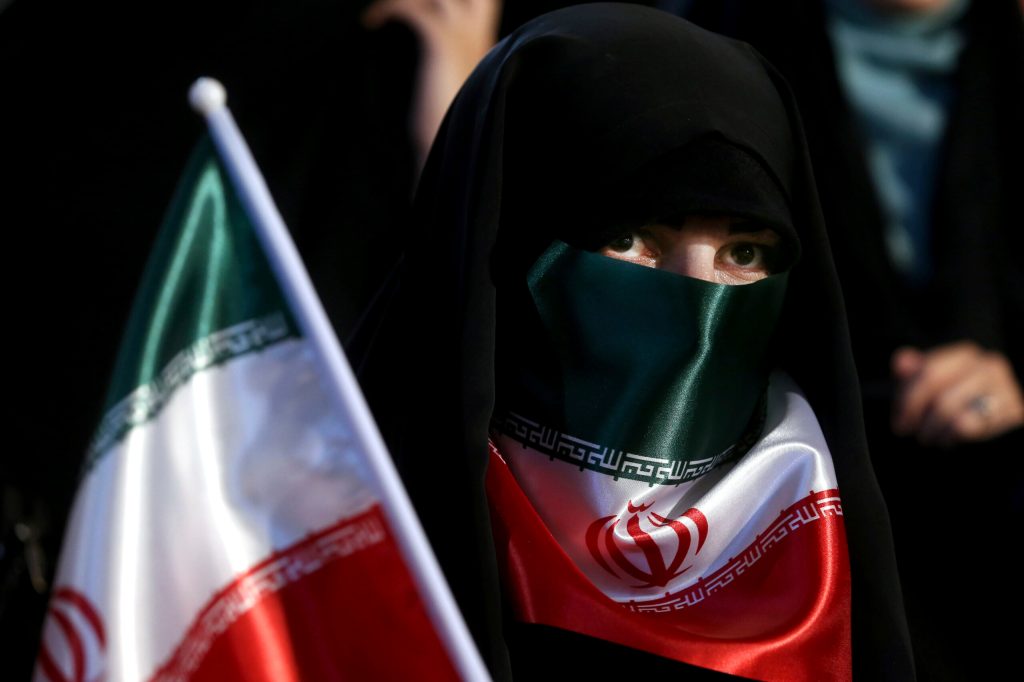
Friday’s presidential election in Iran represents anything but a genuine process like that expected by the average American. In Iran’s theocratic state, the supreme leader (a cleric called vali-e faqih) enjoys the final say on all matters. That includes, not surprisingly, the elections for the next head of the executive branch.
Last week, Supreme Leader Ali Khamenei warned that anyone looking to provoke unrest during the elections “will be slapped in the face.” His threat signals that security is high on Khamenei’s — and by extension his regime’s — priority list. For good reason: Tehran is feeling the danger posed by a restive population at home and an anti-regime current blowing across the region.
Recommended Stories
Print subscriber? Click here to login/register your account
Digital subscriber? Click here to login/register your account.