

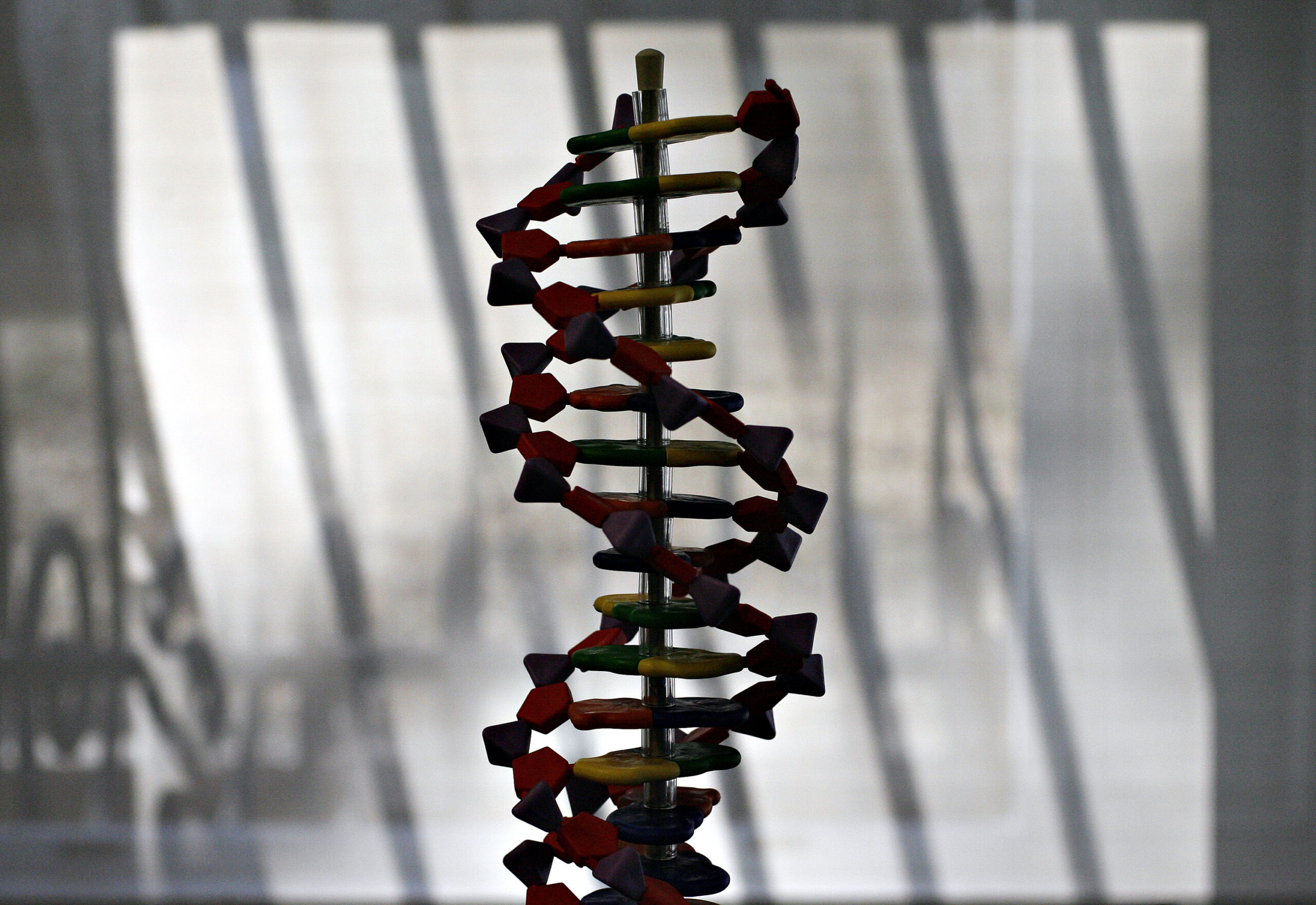
The cover story in this week’s Economist is headlined “Editing humanity.” It explores a new technique that allows scientists to “edit genetic information quickly and cheaply.” The new technology holds great promise for treating previously intractable maladies. But it also raises questions, from the practical (who will receive treatment?) to the profound (what does it mean to be human?).
The new technology is referred to as CRISPR and involves editing the chemical “letters” contained in human beings’ genes. Single-gene disorders cause more than 6,000 diseases. This technology allows scientists to cut out damaged or unwanted genes and replace them with healthy or desirable ones. As the Economist explains, “Other ways of editing DNA exist, but CRISPR holds the promise of doing so with unprecedented simplicity, speed and precision.”
Recommended Stories


According to researchers, CRISPR is being developed to treat a wide array of diseases and disabilities — from cancer and HIV to Tay Sachs and cystic fibrosis.
The scientific community is debating the ethical implications of the new technique and policymakers are considering how it should be regulated. Forty countries currently ban editing germ-line cells. Many others restrict the practice. Francis Collins, director of the National Institutes of Health, has said that editing the human germline, whereby genetic changes would be passed from one generation to the next, is seen “almost universally as a line that should not be crossed.”
In China, meanwhile, scientists are already using CRISPR to edit genes in human embryos, with possible plans for future “non-medical enhancement” of offspring. Some western bioethicists have made a moral case for these types of technologies. Peter Singer has called for government subsidies for parents who “genetically improve their offspring.” In his 2010 book Enhancing Evolution: The Ethical Case for Making Better People, John Harris contends that genetic enhancement is not only defensible but morally obligatory.
But for most people, it’s one thing to treat disease or disability and quite another to exploit technology to create genetic enhancements or make elective alterations to a person’s genetic makeup.
We should welcome developments that ameliorate human misery. But we should also be highly cautious and prudent about those that have the potential to be used for purposes beyond the treatment of disease, including for non-medical enhancement and to create designer babies. As any journalist knows, when editing the work of others, one should proceed with caution and deference — especially if God is the author.
Daniel Allott is deputy commentary editor for the Washington Examiner
