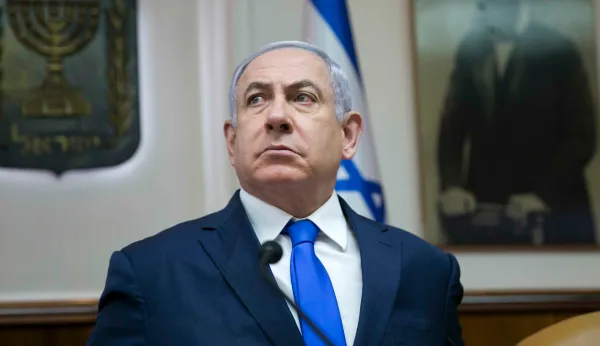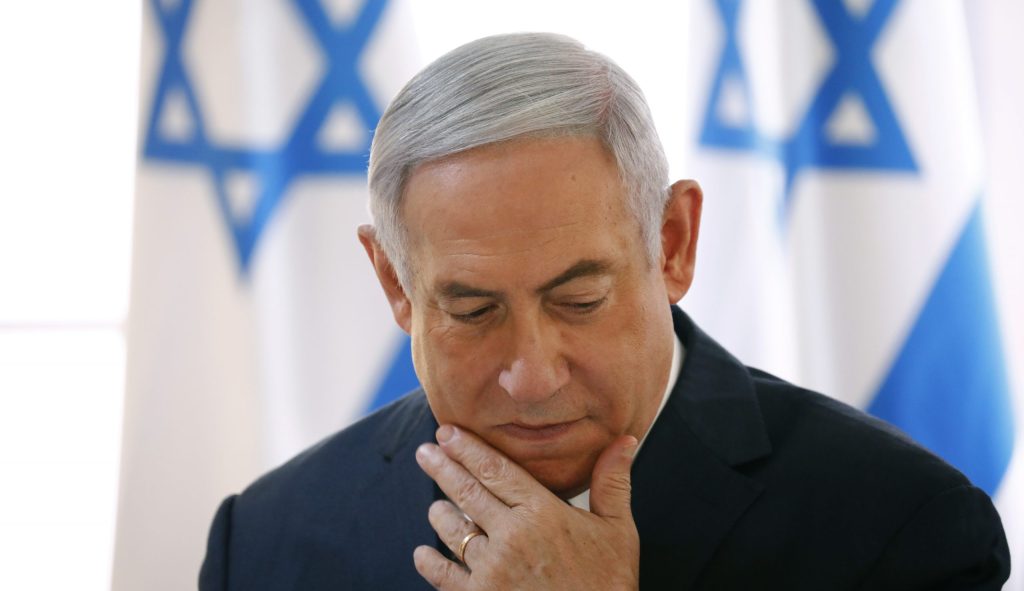
Benjamin Netanyahu’s days as prime minister of Israel may be numbered. Or he may find some path to remain in power. But the morning after Israel’s second election this year, the inconclusive results are creating many possible outcomes in the complex parliamentary system, with few experts willing to wager a guess as to how it may all turn out.
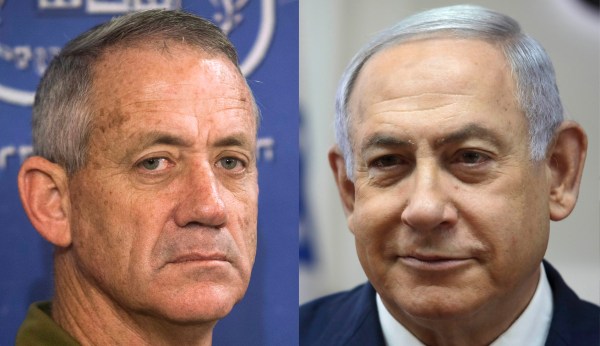
With 91% of the vote counted, there are likely to be some shifts, but it’s almost certain at this point that neither Netanyahu’s right-wing bloc nor Benny Gantz’s liberal bloc will be able to form a government without Avigdor Liberman. But the ideologically right-wing Liberman — who prevented Netanyahu from forming a government after his apparent April victory over clashes with ultra-Orthodox parties — says he would only be a part of a unity government that joins the two largest parties: Netanyahu’s Likud and Gantz’s Blue and White. Any narrow-majority unity government could be fragile and fall if one smaller party leaves. Liberman is insisting on using his power to force the creation of a more stable government.