
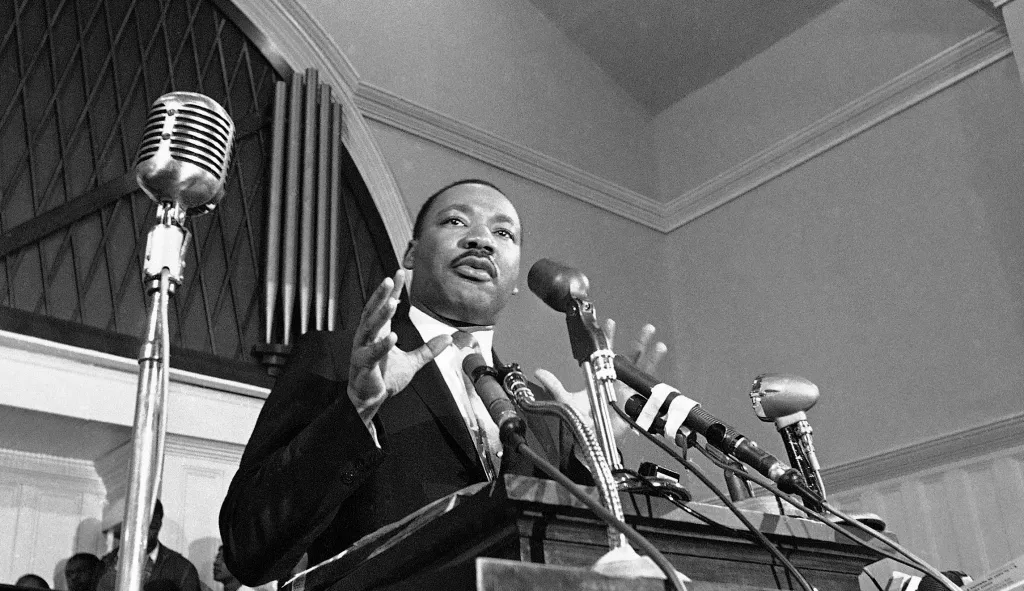
The freedom to speak messages some people don’t want to hear is essential to civil rights. In fact, without the protections of the First Amendment, there probably wouldn’t have been a civil rights movement.
Fifty-six years ago this spring, Dr. Martin Luther King Jr. sat in a jail cell in Birmingham, Alabama. His crime? “Parading without a permit.” How was he supposed to get a permit?
Recommended Stories
Print subscriber? Click here to login/register your account
Digital subscriber? Click here to login/register your account.