Ali Vaez is wrong to blame Trump for Iran’s malevolence

Published June 14, 2019 6:44pm ET


Ali Vaez, director of Crisis Group’s Iran desk, does not seem to know his history very well. Consider Vaez’s Thursday tweet suggesting that Iran wouldn’t be blowing stuff up in the Gulf of Oman if President Trump were only nicer.

Aside from the obvious denial of Iranian agency, Vaez here misses a rather important point. Iran’s contemplation of hyperaggressive action is not limited to reactive strategy. The hard-liner bloc within Iran’s theocracy has calculated that the benefits of aggression outweigh the likely costs.

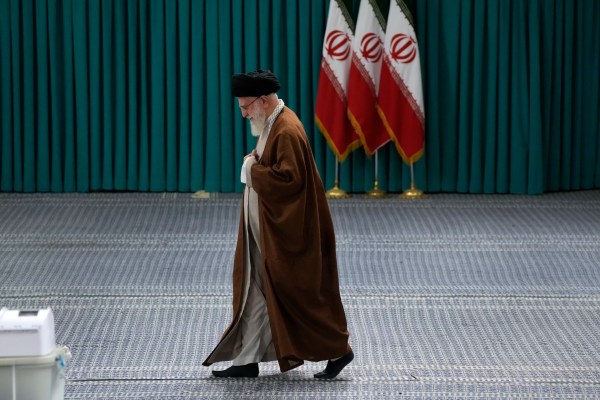
There’s a rather obvious recent example that proves this — the Islamic Revolutionary Guard Corps (Quds Force) plot in 2011 to blow up a Washington, D.C., restaurant. Authorized by Qassem Soleimani — and possibly also Iran’s Supreme Leader Ayatollah Ali Khamenei — that plot targeted then-Saudi Ambassador Adel al-Jubeir. When the designated cutout bomber (who unfortunately for the IRGC happened to be a DEA source) warned the IRGC control agent that bombing the restaurant might also kill American civilians, the agent’s response was unequivocal: “…. if a hundred go with [Adel], f–k ’em.”

The Saudi ambassador and likely dozens of American civilians were only saved because the IRGC chose the wrong man for the job. But the Quds crew were all ready to go. They had assessed that the U.S. would not retaliate in a way that would outweigh the perceived benefits of the operation. And that’s a striking assessment, considering that the Saudi ambassador’s demise would have immediately raised red flags of IRGC involvement, and that so many dead Americans at the hands of an Iranian-government plot would have constituted an act of war. Again, however, the Quds Force judged that President Barack Obama’s response to any successful attack would be hesitant.

The Iranians’ 2011 failure was their 2015 gain: The Iran nuclear deal provided the hard-liners with tens of billions of dollars and a new injection of billions more into operational level IRGC terrorist activities. That money hasn’t just threatened America; it has meant more sectarian harassment and corruption in capitals like Baghdad and Beirut. Vaez ignores this when he pretends that President Trump has sparked instability from a sea of calm.

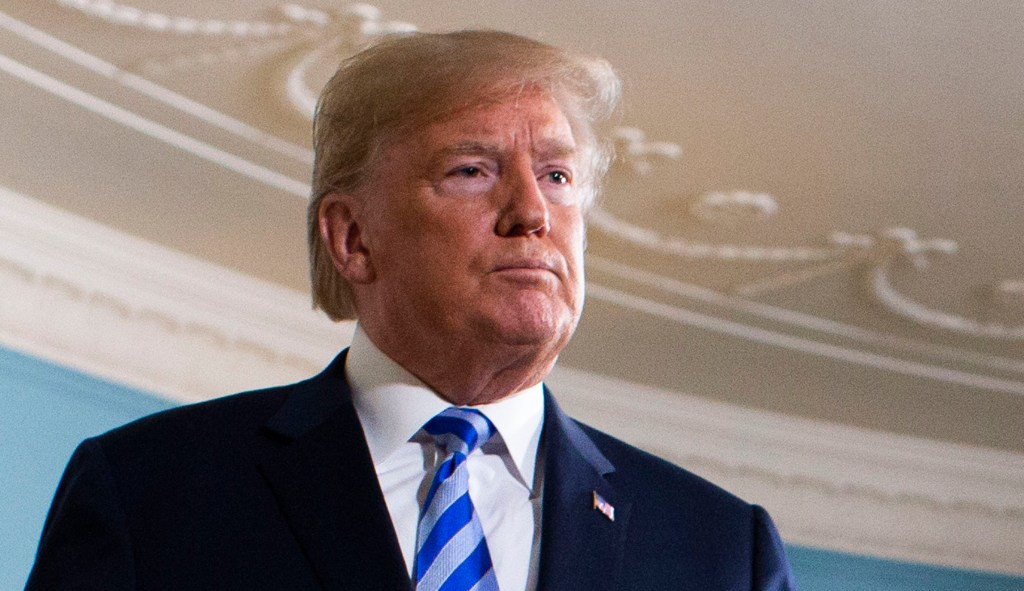
But then, let’s consider Trump’s policy. Rightly focused on renegotiating the Iran nuclear deal and more actively constraining Iranian aggression, Trump is also restraining Secretary of State Mike Pompeo’s focus on regime change. This is the correct course of action. It exploits and expands positive fissures in a regime fragmented by hypercompetitive power jockeying. Power jockeying, incidentally, that extends to within power blocs.

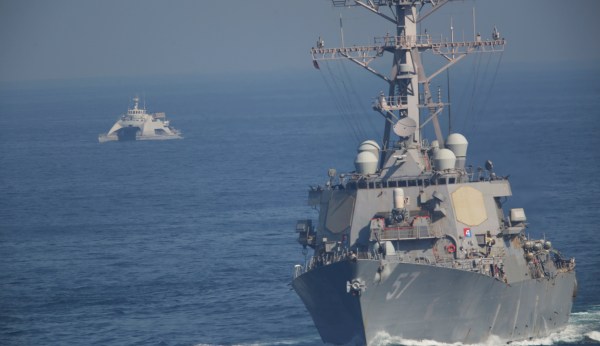
But the instability also seems stable. Recognizing that Trump is unlikely to respond kindly to overt aggression, Iran is tempering its aggression. Note that the Gulf of Oman incidents involve limited attacks on non-U.S. flagged vessels rather than, for example, an effort to shut down the Strait of Hormuz. Again, Vaez ignores this truth, instead pretending that Iran is better appeased than judiciously restrained.

Iran is cautiously lashing out, not because Trump has asked for it, but because the hardliners are getting desperate. That is a good thing. And in the absence of more serious Iranian escalation, we see proof that American deterrence is prevailing. Now Trump should undercut the hard-liners further by extending an invitation to Iranian President Hassan Rouhani.