

A generation ago, television consisted of a handful of national broadcast networks and their local affiliates, broadcast over the air on a scheduled basis and accessed via the family room set. In 2017, television is no longer synonymous with such over-the-air broadcasts. Even apart from the rise of cable and satellite, television increasingly means on-demand content from Netflix, Hulu, iTunes and Amazon, accessed via Internet Protocol on smart phones, tablets and smart TVs. With social media, citizen journalism and the Drudge Report as go-to sources for television newscasts, broadcasters and newspapers are no longer the pre-eminent information purveyors.
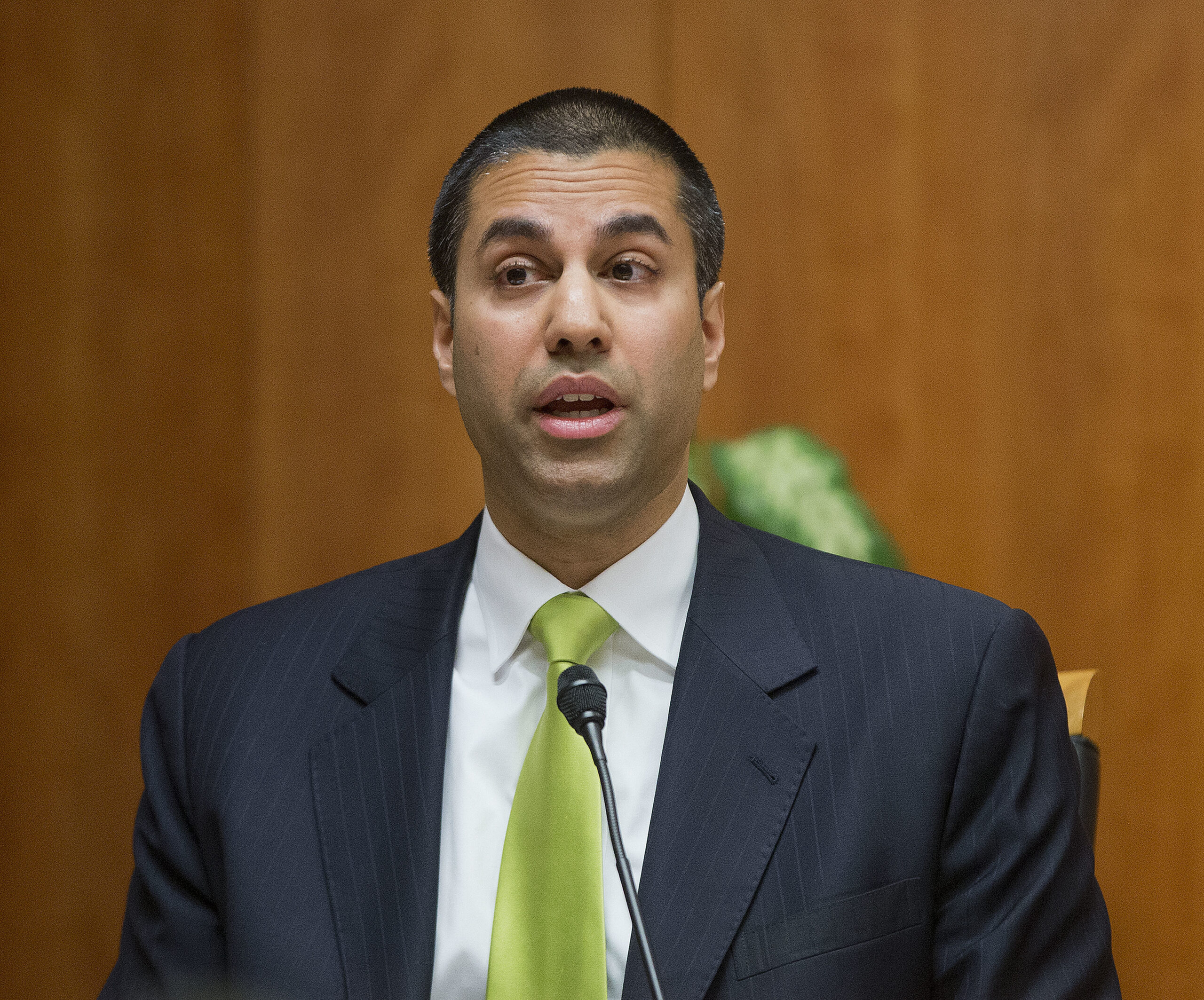
Despite this revolution, federal regulation remains an anachronism, imposing unique burdens on broadcasters to alleviate “diversity” concerns arising from the spectrum license scarcity of a bygone era. To make matters worse, groups on the left have relentlessly opposed FCC Chairman Ajit Pai’s efforts to level the regulatory landscape — most recently by opposing his reinstatement of the “UHF discount” to the national broadcast ownership cap.
Stay informed.Stay ahead.
Join Washington Examiner for unlimited access to the news, analysis, and commentary that matter most.
Already a member? Log in
