

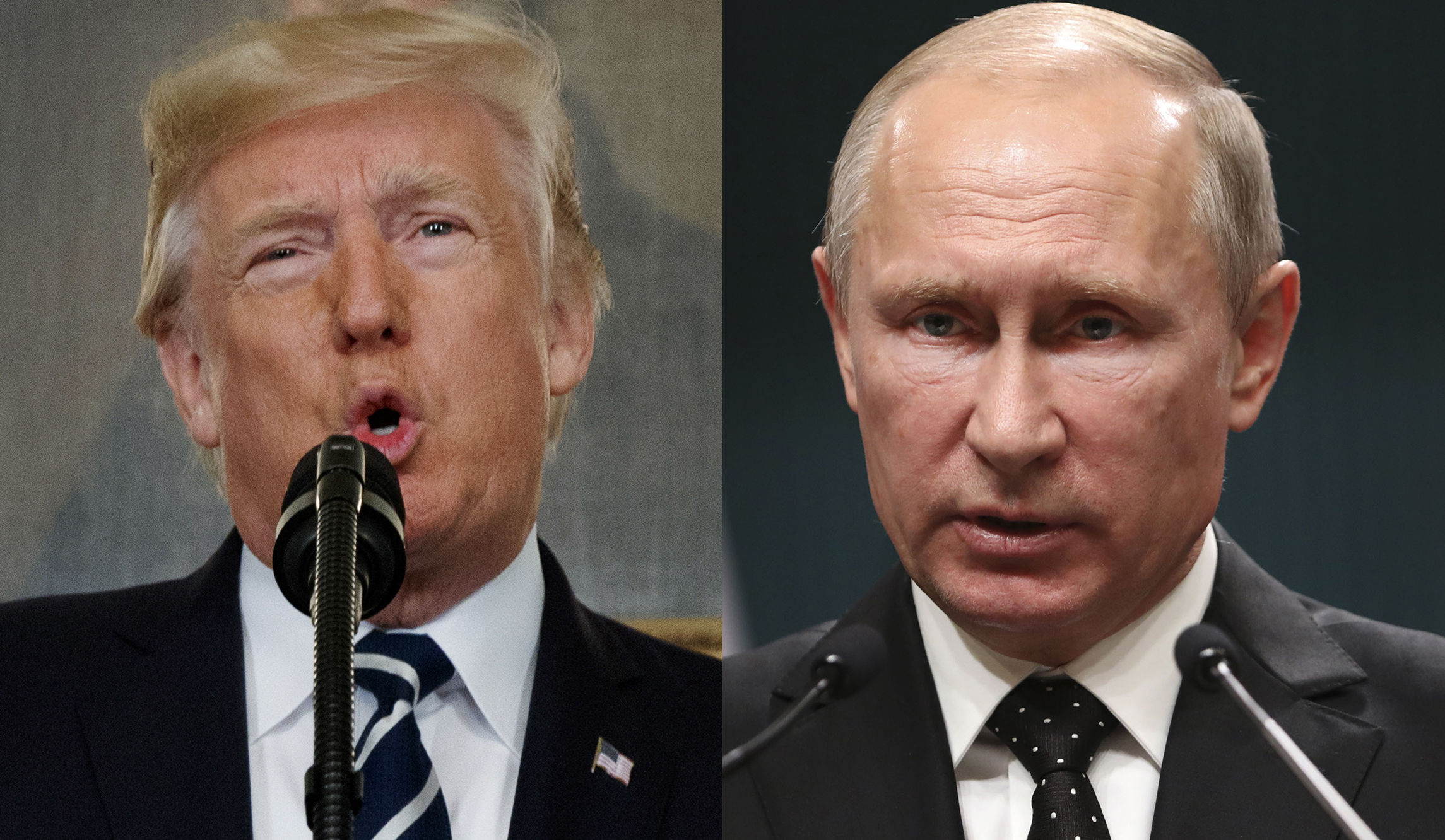
The Trump administration deserves credit for its decision on Wednesday to introduce further sanctions on Russia in response to that nation’s nerve agent attack on four individuals in Britain.
The sanctions are an appropriate follow-on response to the Russian government’s exceptional aggression in two attacks on British soil earlier this year. The first attack took place on March 4 and involved Russian intelligence officers using a highly aggressive Novichok-series nerve agent variant against a former British intelligence agent, Sergei Skripal and his daughter, Yulia Skripal in Salisbury, England. Both became critically ill but have since recovered. The second attack involved the inadvertent exposure of another man and woman in the same area who, in July, found a Novichok storage device that had been discarded by the Russian strike team following the March attack. The woman in the latter incident, Dawn Sturgess, died in hospital.
Recommended Stories


So why the new sanctions?
While the U.K. and U.S. know with high confidence the identities of those responsible for the attacks and that they were acting under direction from Russian President Vladimir Putin himself, Russia will not extradite the suspects. By this refusal, the Kremlin has de facto accepted its government culpability for the attacks. Still, the new sanctions aren’t just about imposing responsibility, they also signal to Putin that his aggressive theatrics carry costs. This matters in that the Russian president remains convinced that he can degrade Western security without suffering serious penalties.
Ultimately, however, Wednesday’s action isn’t simply important in deterring Putin and supporting America’s closest ally, Britain. It’s also important in establishing that the U.S. will not tolerate the deployment of chemical weapons. And whether enabling those weapons to be used in Syria or deploying those weapons themselves, Russia is the primary global offender in this regard.
