
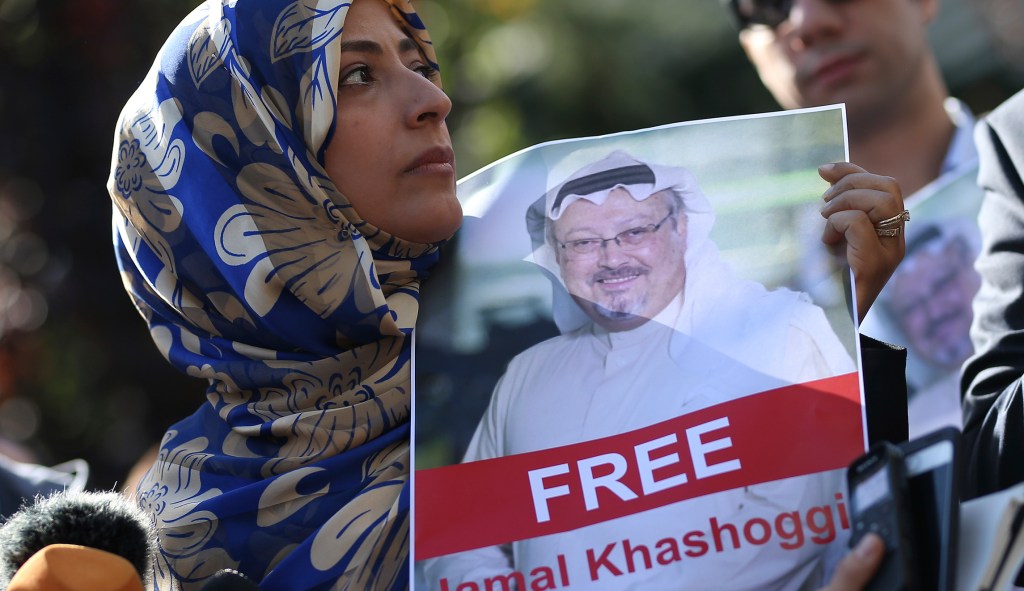
DUBAI, United Arab Emirates — The alleged murder of Saudi journalist Jamal Khashoggi is a disaster for U.S.-Saudi relations. Whereas Saudi authorities could dismiss Saudi involvement in the Sept. 11 terror attacks by arguing that the hijackers were al Qaeda and hence a mutual enemy, there is no shirking responsibility for what happened in the Saudi consulate: If the Turkish information is true, it was a Saudi death squad acting on the commands of the Saudi crown prince who ordered the hit.
Already in Congress and the White House, talk has turned to retaliation. Senators now talk not only about scaling back U.S. aid to Saudi Arabia’s disastrous campaign in Yemen, but also about cutting off all military aid to Saudi Arabia. PresidentTrump, for his part, promises “severe punishment” if Saudi Arabia was responsible. Overnight, Crown Prince Mohammed bin Salman has gone from A-list to pariah; he could not be less popular in Washington if he had Ebola. Authorities in Riyadh may believe they can wait for the storm to blow over. Washington, after all, will soon be consumed by midterm elections. Yet the stink associated with Crown Prince Mohammed may linger. Even seasoned American officials and longtime friends of Saudi Arabia question his judgment. Frankly, the only hope for any quick repair in bilateral ties may come only with the crown prince pushed aside and replaced by a man not only ambitious but wise.
Real journalism.Trusted by millions.
Unlimited access to in-depth reporting, expert analysis, and the stories that shape our country.
Already a member? Log in