

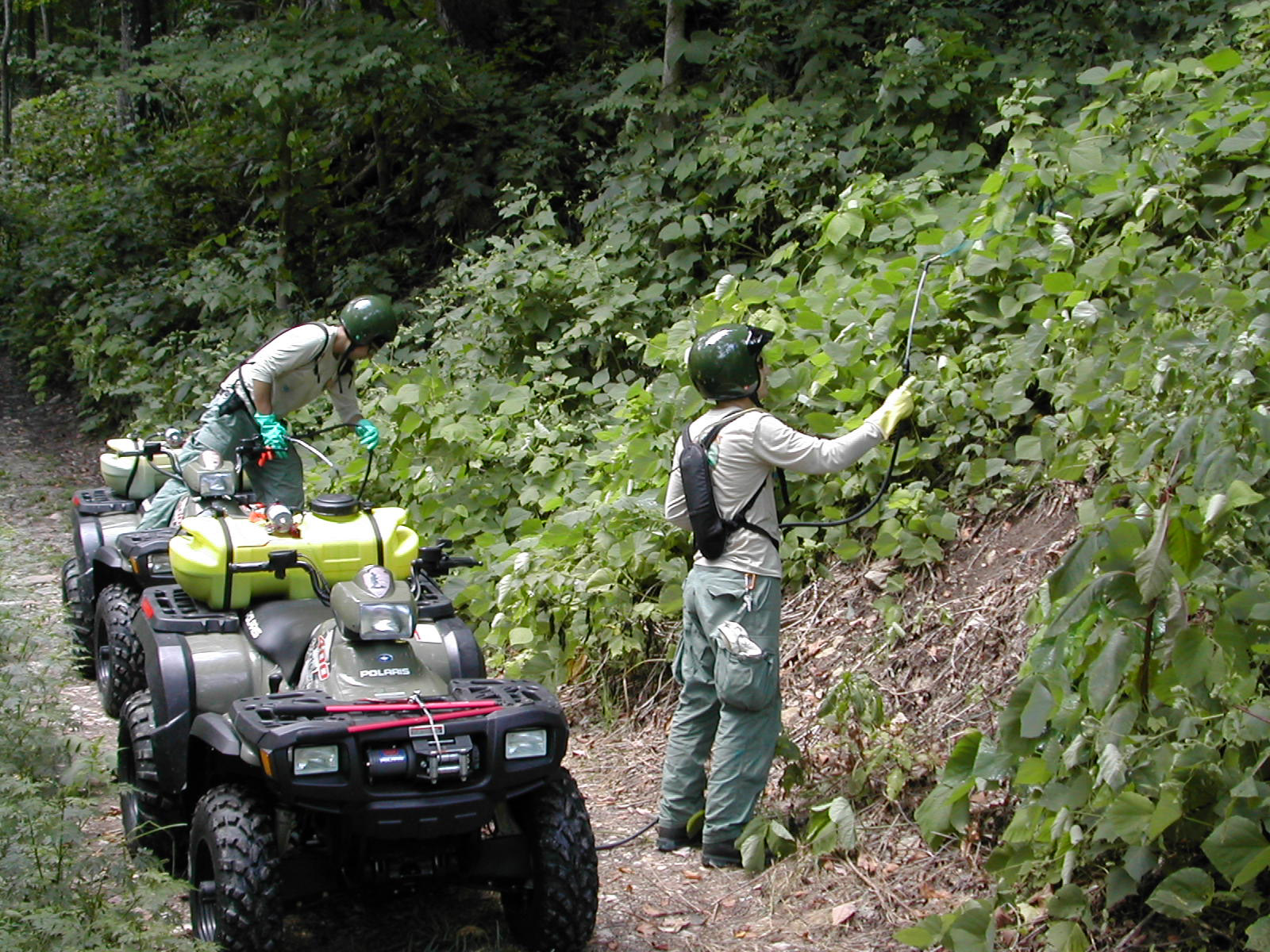
In the 1930s, the federal government subsidized the planting of kudzu, a fast-growing Asian plant that reduced the soil erosion problems plaguing farmers in America’s more humid states. In all, it is said some 70 million seedlings were planted under the government program. Kudzu was a regulatory intervention to address a serious problem. It’s also a perfect illustration for how well-meaning regulations—some of which are facing scrutiny in Washington today—can take on lives of their own.
Kudzu vines grow so rapidly, as much as 60 feet in a growing season or two feet a day, that soon those eroded fields that had been unfit for the plow became vine-covered fields that could not be plowed.
Stay informed.Stay ahead.
Join Washington Examiner for unlimited access to the news, analysis, and commentary that matter most.
Already a member? Log in
