

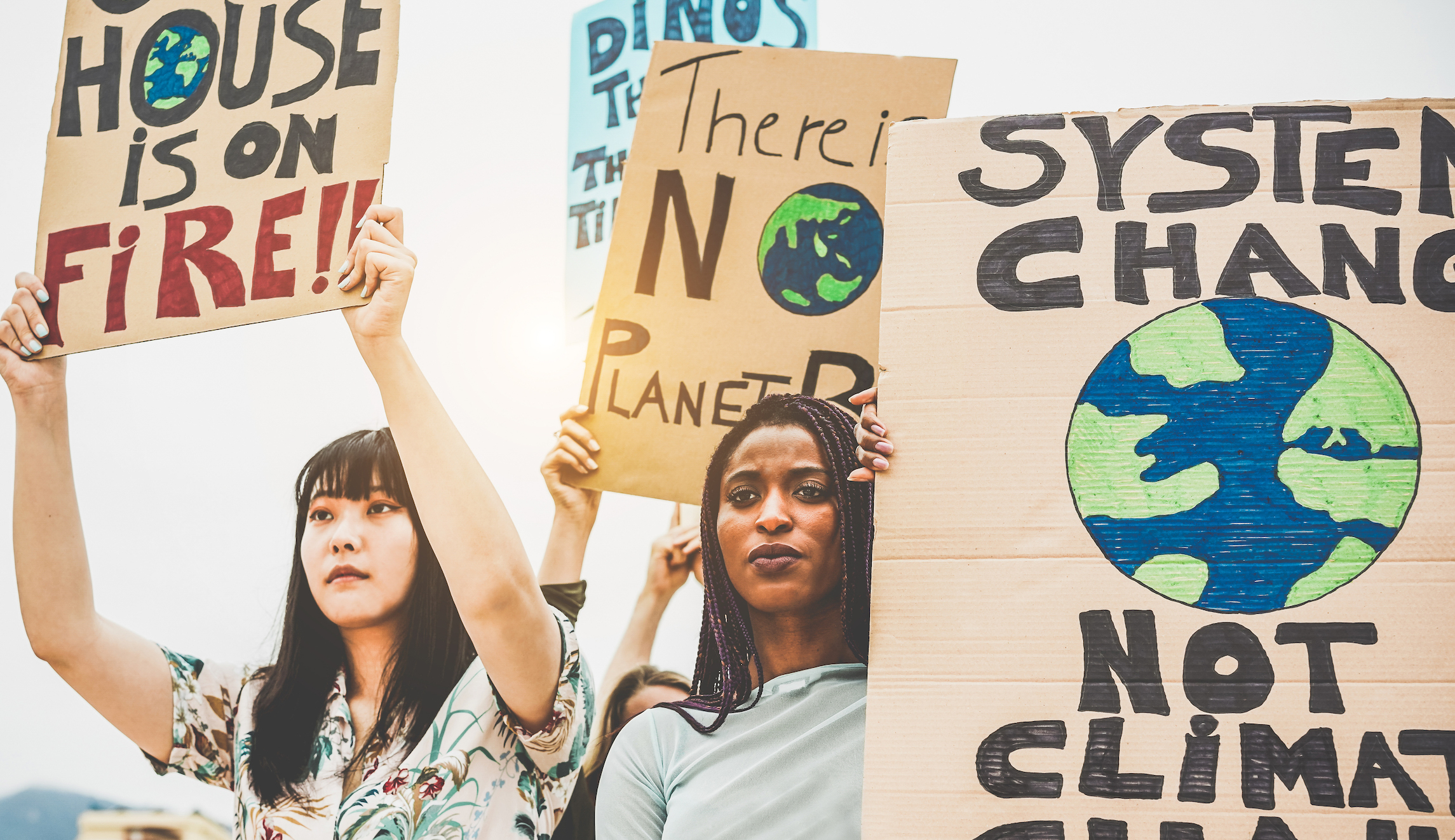
A few Republicans-turned-lobbyists are trying to make money for their clients by urging Republicans to support aggressive climate action. However, national polling, especially in light of the coronavirus pandemic, shows that voters continue to consider climate change one of their lowest-priority issues.
Instead of chasing political fool’s gold at the behest of fake Republican lobbyists, GOP policymakers would be wise to remain true to the strong climate realism of their party base.
Recommended Stories



People have a vague, general desire for policymakers to pay attention to climate change, but only rarely does the issue become a significant factor in how a voter casts a ballot. This was shown in an April 2020 Gallup poll asking people how important various issues are. The poll showed people considered the coronavirus as the most important problem facing our nation. After the coronavirus, which came in at 45%, the next most important issues were government leadership (20%), healthcare (6%), the economy (6%), unifying the country (3%), and unemployment (3%). Climate change tied for dead last, at 2%.
The day after the Gallup poll results were published, liberal Republican Tom Ridge wrote an article promoting climate activism titled “My Fellow Conservatives Are Out of Touch on the Environment.” Well, perhaps they are out of touch with a whopping 2% of voters.
Ridge was considered too liberal to join John McCain on the 2008 Republican presidential ticket. That is like former centrist Democratic Sen. Heidi Heitkamp theoretically writing an article titled “My Fellow Liberals Are Out of Touch on Fracking.” Heitkamp is not a liberal Democrat, and Ridge is not a conservative Republican.
Republican-affiliated pollster Frank Luntz similarly conducted a push poll last summer attempting to show that Republican voters would enthusiastically support carbon dioxide taxes. Instead, his poll showed that barely half of Republicans would support a “carbon dividend” after listening to a grossly misleading infomercial that exaggerated the benefits, ignored the costs, falsely claimed overwhelming bipartisan support, and promised consumers money from the government as part of the program. If barely half of the respondents supported Luntz’s proposal after hearing such a grossly distorted description, it is likely that a strong majority would oppose such carbon dioxide taxes after hearing all sides of the issue.
Why do people like Ridge and Luntz attempt to rally conservatives and Republicans to liberal climate activism? Ridge lobbies for a group receiving funding from wind and solar interests. Luntz conducted his push poll on behalf of a climate activist group run by Obama administration officials and environmental activist groups, funded by corporate rent-seekers and the wind and solar power industries.
So, how much money and resources is the public actually willing to devote to climate change action? A June 2019 Reuters poll found that 70% would generally like the government to take action against climate change, but only 34% would be willing to pay $100 per year (only about $8.33 per month) to do so. Considering government already spends billions of taxpayer dollars on climate change programs each year, climate change spending already exceeds what people desire.
Tying this all together, polling shows that policymakers, and especially Republican policymakers, need to ensure government gets its coronavirus response right before embarking on other major projects. Once that is accomplished, voters rank almost all other issues as more important than climate change. The few voters who rank climate change very highly are disproportionately hardcore Democrats who will never vote for a Republican, anyway.
Rather than chase political fool’s gold and try to out-Democrat the Democrats on climate change, Republicans should listen to their core conservative base and stand up for sound science, a prosperous economy, and climate realism.
James Taylor ([email protected]) is president of the Heartland Institute.
