

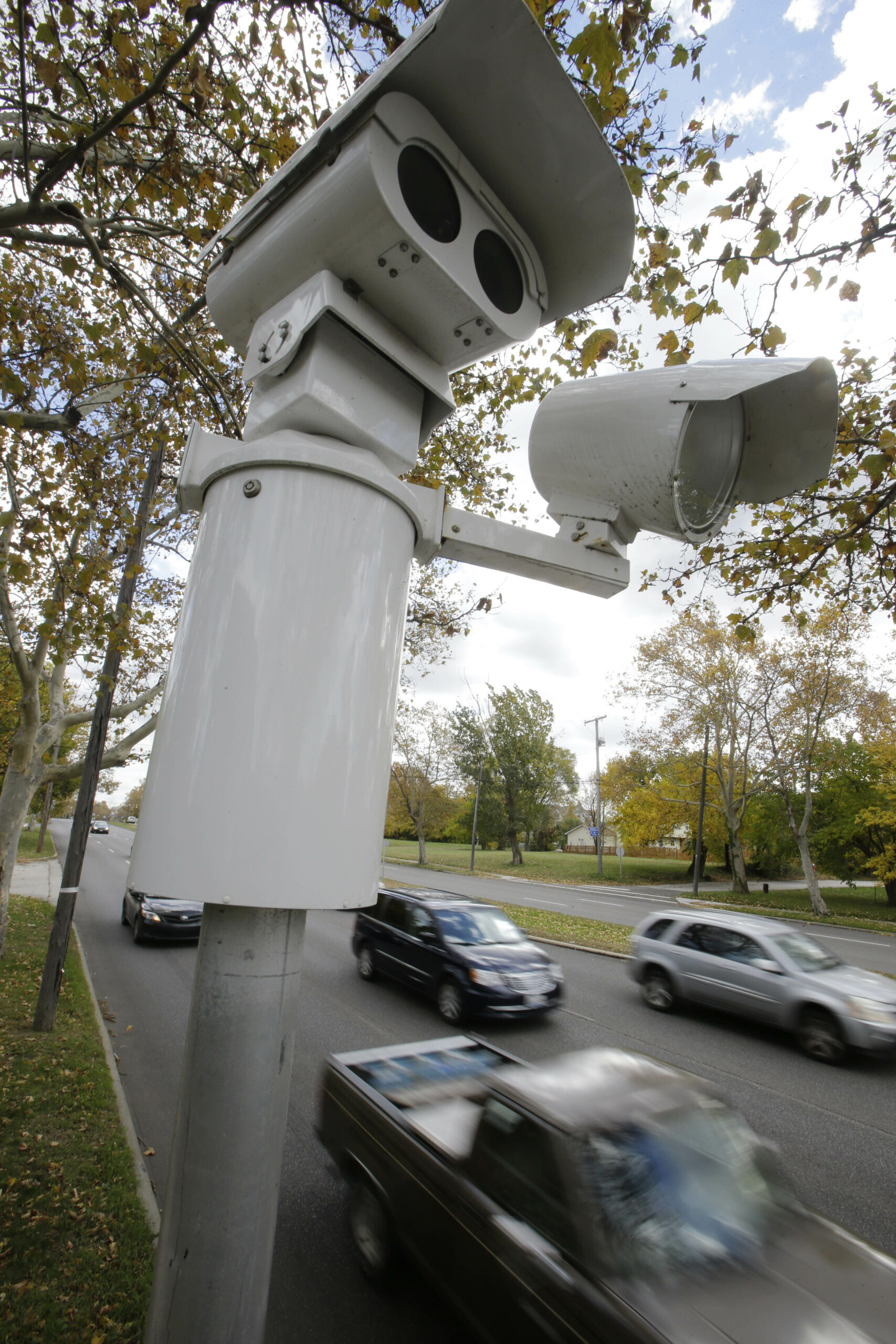
Until recently our auto travels — in public — have been essentially private. Scattered individuals may have observed our locations at given moments, but the bulk of our public movements have been practically obscure. Nobody collected data in a systematic or useful way, and our movements were lost to history.
That is no longer true. Public and private entities are scanning license plates, snapping photos of our cars, and storing the times and locations where they appear. Close correlation between license plate numbers and particular drivers means that databases of mundane information about auto movements also reveal quite sensitive information about doctor and psychologist visits, business meetings, trysts, gatherings of legal advice and participation in political advocacy. License plates and cameras are, as I testified to Congress more than a dozen years ago, “Big Brother infrastructure.”
Stay informed.Stay ahead.
Join Washington Examiner for unlimited access to the news, analysis, and commentary that matter most.
Already a member? Log in
