

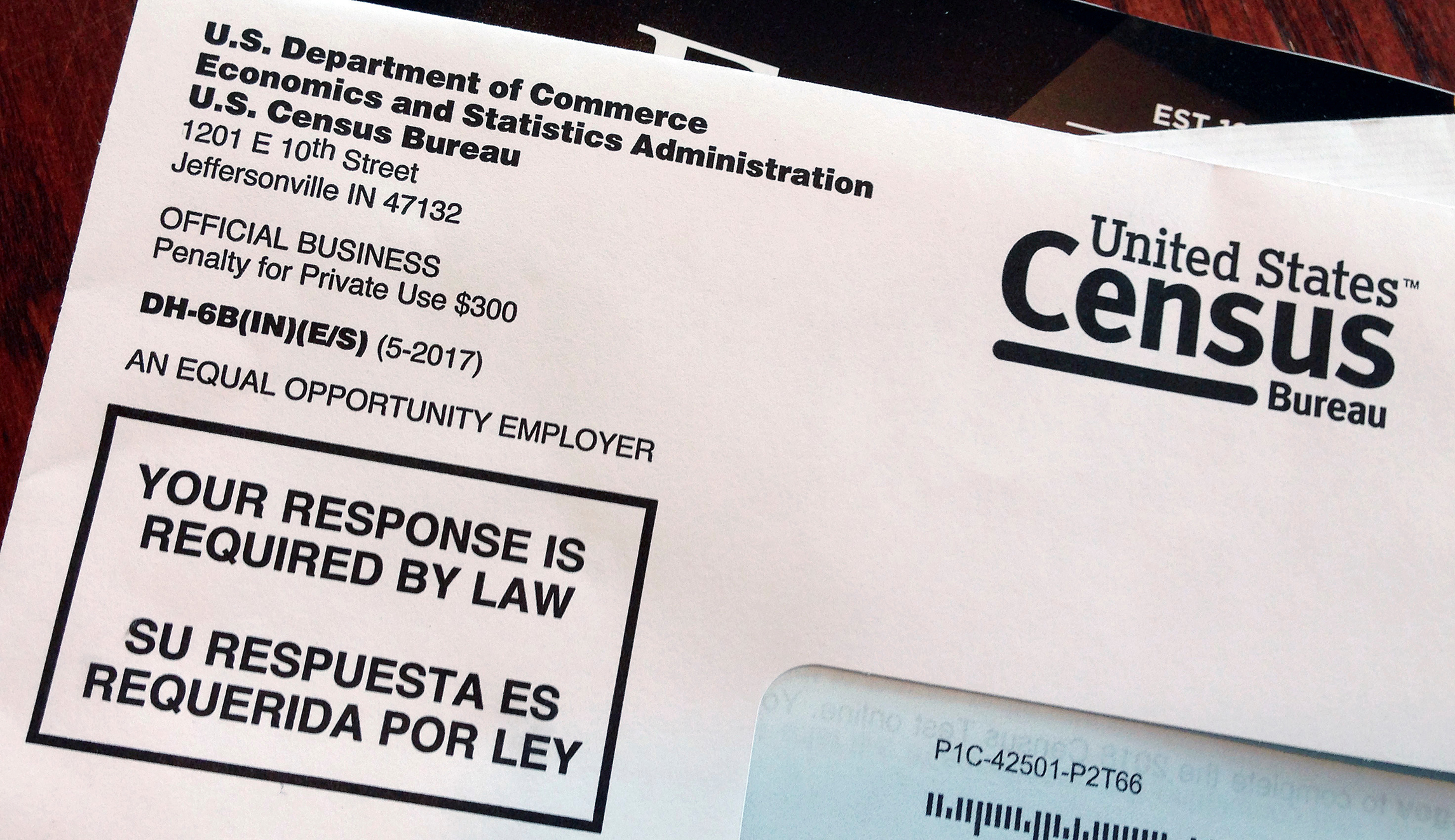
In less than two years, the federal government will embark on a time-honored, decennial ritual: the U.S. census. One could be forgiven by thinking, that, 230 years and nearly two dozen censuses later, Washington, D.C. knows how to count people. Yet, despite a declining number of individuals per household and the rise in low-cost digital correspondence, the cost of the census is rising far above the rate of inflation. According to the Government Accountability Office, “the average cost for counting a housing unit increased from about $16 in 1970 to around $92 in 2010.” The report further notes that, over the past three years, the U.S. Census Bureau has underestimated how much it will cost to conduct the 2020 census.
The U.S. Census Bureau now estimates that the undertaking will cost $15.6 billion, up from their 2015 estimate of $12.3 billion, a 27 percent increase. Given the bureau’s cost escalation and well-documented accuracy problems, it may be time to look to another approach to count the nation’s citizens. By ditching a dedicated decennial census, the federal government can save taxpayers billions of dollars while obtaining vital information elsewhere.
Stay informed.Stay ahead.
Join Washington Examiner for unlimited access to the news, analysis, and commentary that matter most.
Already a member? Log in
