

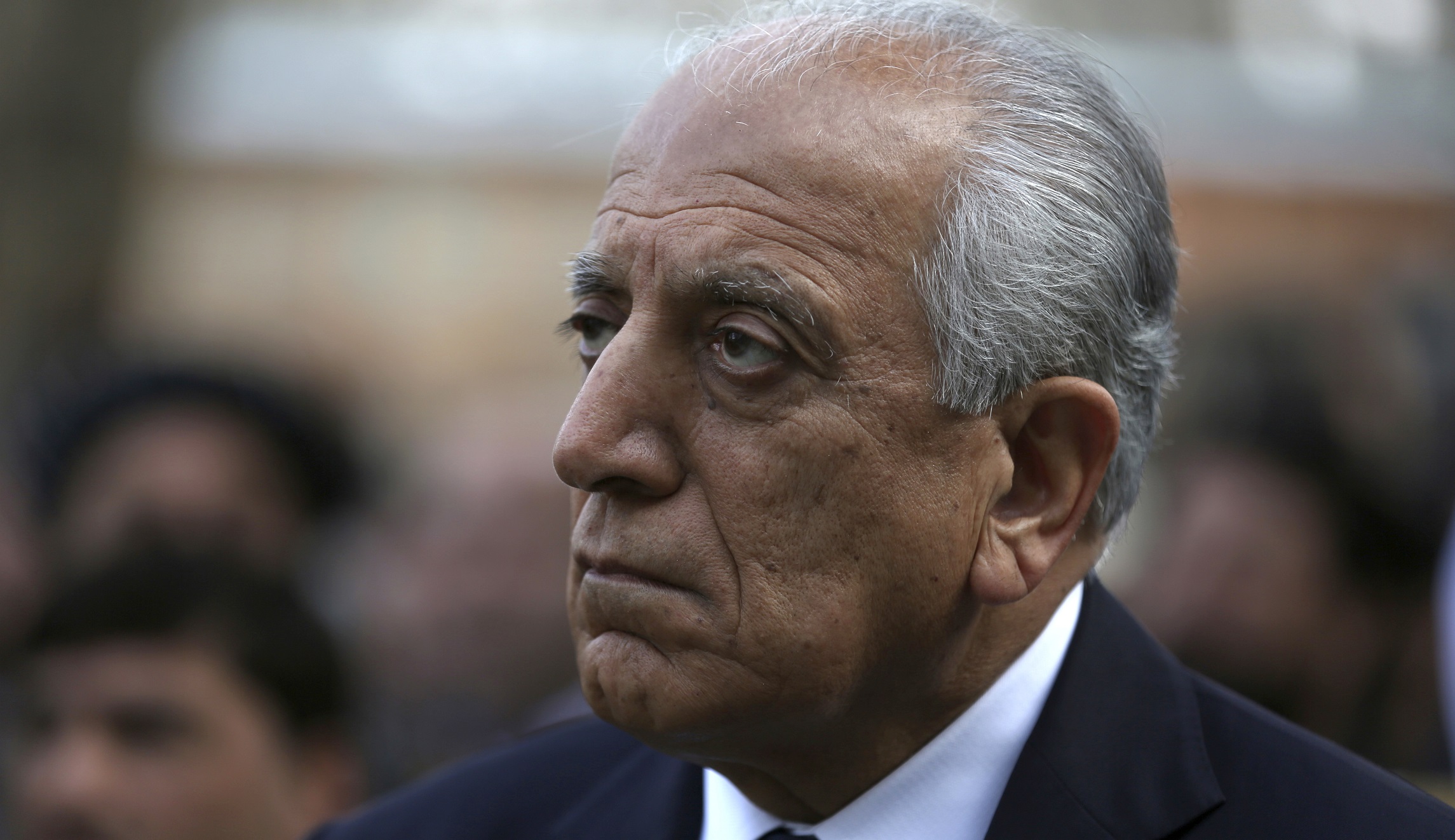
In Dancing with the Devil: The Perils of Engaging Rogue Regimes, I explored a half-century’s history of U.S. diplomacy with rogue regimes and terrorist groups. Whether a Republican or a Democrat sat in the Oval Office, and whether the regime was in the Middle East or Asia, one pattern emerged: Once the United States launched a high-profile diplomatic process, the State Department almost always refused to abandon it and never would take no for an answer. Indeed, the history of intelligence politicization shows that politicians and diplomats far more often twist and cherry-pick intelligence to support continuing diplomacy than to push toward military action. When a special envoy monopolized a process which could bring him glory and prestige — be it with the Iranians under President Barack Obama or the Palestine Liberation Organization under Presidents George H.W. Bush or Bill Clinton, he became even less likely to interpret an adversary’s cheating as bad faith.
And so it now goes with the floundering U.S. peace agreement with the Taliban. In the 11 weeks since Zalmay Khalilzad and Taliban representatives signed the agreement in the presence of Secretary of State Mike Pompeo, violence has increased to such an extent that neither the U.S. Embassy in Kabul nor Resolute Support (as the NATO mission is now named) will provide statistics openly. Diplomats never circle the wagon when the news is good.
Stay informed.Stay ahead.
Join Washington Examiner for unlimited access to the news, analysis, and commentary that matter most.
Already a member? Log in
