Jim Cramer, the flamboyant host of CNBC’s Mad Money, makes dozens of stock recommendations every weeknight. His advice could make you rich, or poor, but either way you can be certain he isn’t taking it himself. That’s because Cramer, who made millions on the trading floor, no longer trades stocks from his own funds. The reason is simple: When Cramer screams “Buy, Buy, Buy!” or “Sell, Sell, Sell!” it could move a stock’s price, at least temporarily. In order to avoid even the appearance of impropriety in any of Cramer’s trades, his network forbids him from trading. (As he always reminds viewers, he still has a charitable trust that continues to buy and sell stocks.)
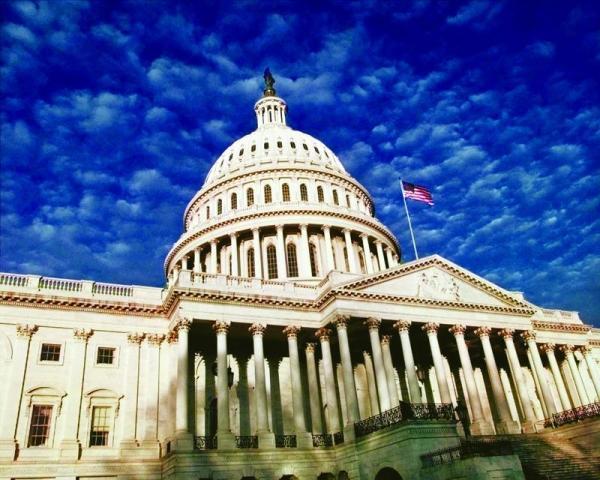
If Cramer’s potential effect on stock prices justifies a voluntary and total ban on his trading, what about members of Congress, whose intervention in the economy seems to grow with every passing year? Congress has become so discouragingly influential that many companies now have business strategies that hinge upon lobbying for special favors — pork, anti-competitive laws and regulations, contracts, regulatory approvals, et cetera — that can make or break share prices.