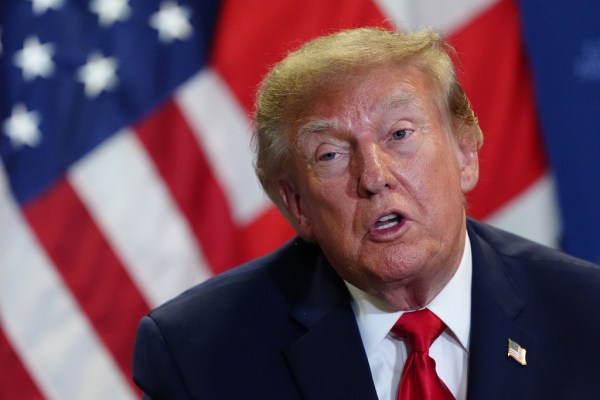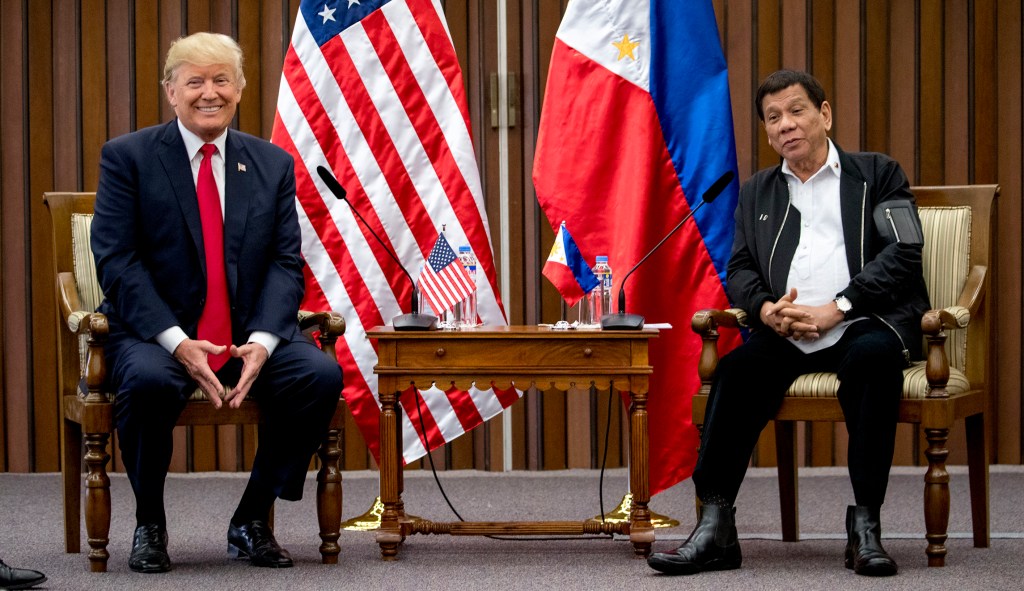
The impending termination of a major U.S.-Philippines security pact by Philippine President Rodrigo Duterte hardly made a dent on President Trump. Trump said that he “doesn’t mind” the pact’s discontinuation, as it will save the United States “a lot of money.” But he acknowledged that his opinion runs contrary to U.S. officials expressing anguish on its dissolution, including U.S. Defense Secretary Mark Esper, who called it “unfortunate” and “a move in the wrong direction.”
Trump’s nonchalant remarks may come as unsurprising, to say the least expected, in a time when his administration has pressed U.S. allies in the region such as South Korea and Japan to foot the bill in return for providing American-backed security. The Philippines, on the other hand, has been dependent on the largesse of the U.S. military’s might to fend off both internal and external adversaries while it slowly builds its own minimally credible defense posture. Beyond the business of arms purchases from the U.S., this largesse is mainly facilitated through the 1951 Mutual Defense Treaty and its operating mechanisms, namely the Visiting Forces Agreement and the Enhanced Defense Cooperation Agreement, ratified in 1998 and 2014, respectively.