Despite the Biden administration’s efforts to finalize an agreement before the inauguration of Ebrahim Raisi as Iran’s new president, Tehran has refused to return to the 2015 nuclear deal, also known as the Joint Comprehensive Plan of Action. The clerical regime’s intransigence and Washington’s failure to exploit its economic leverage over Tehran have created an impasse in the talks, with Tehran placing them on hold in an apparent effort to extract more concessions from Washington.
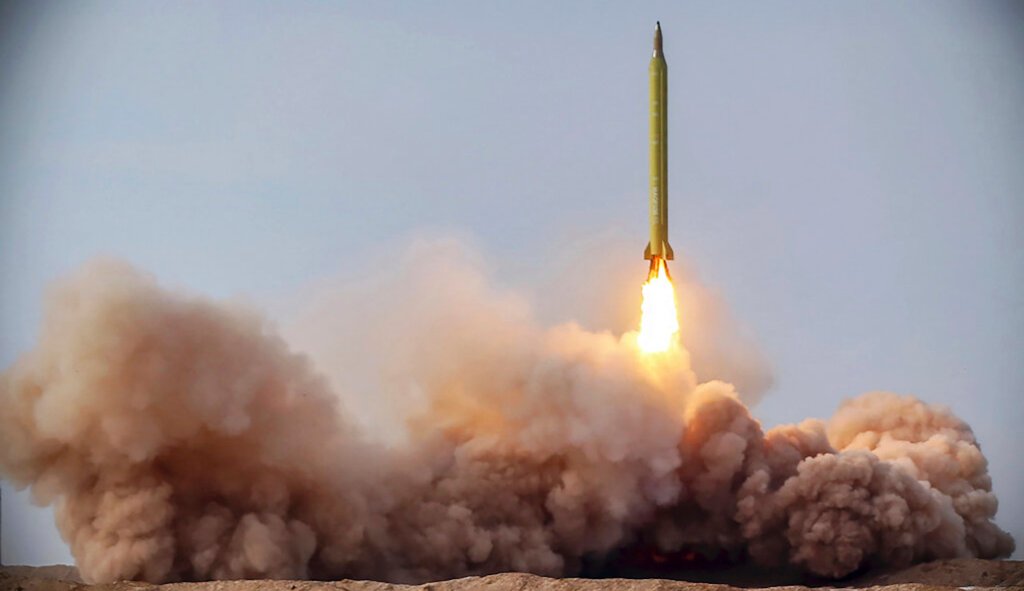
Raisi’s inauguration comes as Tehran continues to expand its atomic program without the proper supervision of the International Atomic Energy Agency while indicating that it is unsatisfied with the direction of the negotiations. The White House’s failure to enforce sanctions fully, particularly oil sanctions, has given Tehran much-needed financial oxygen. The regime in Tehran is using these developments as leverage to put pressure on Washington for further concessions. Thus, the talks remain at an impasse created by U.S. policymakers.