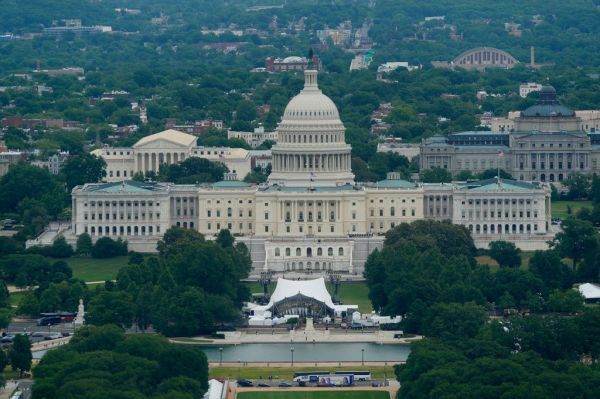
Alongside appropriating taxpayer money and writing the laws of the nation, oversight is one of the legislative branch’s most important functions. The Constitution was built on the idea that accountability should be built into our system of government. By spreading the power among the three separate branches, excesses will be checked, bad policy will be prevented, and recklessness will be tamed before it causes significant problems for the country.
The process of selling U.S. arms to foreign governments is built on the very same premise. Before a sale can proceed, the State Department unofficially notifies the head and ranking members of the foreign relations committees, who are granted the power to delay the process if they have additional questions about why the sale in the U.S. national interest. If those questions are resolved, Congress is given 30 days to review the terms of the proposal and pass a resolution of disapproval to kill it. While it’s enormously difficult for Congress to pass such a resolution with a veto-proof majority (in fact, this has never happened), the ability of senior lawmakers to place a hold on a sale at least provides Congress with leverage to get more details.