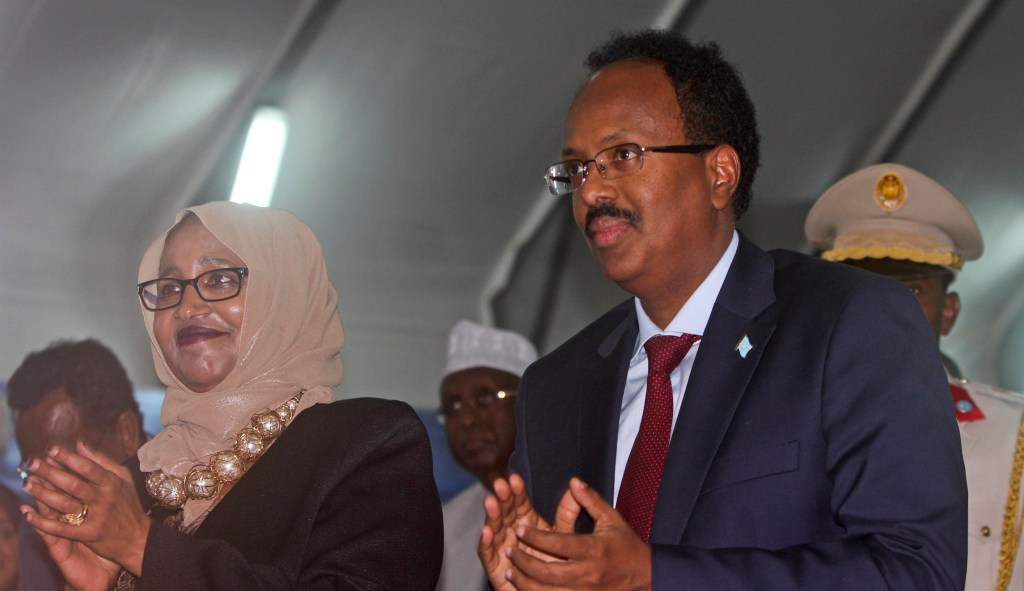
On July 25, Somalia’s appointed Parliament voted to oust Hassan Ali Khaire, the country’s prime minister. The move, which allows Somalia’s President Mohamed Abdullahi Mohamed, also known as Farmajo, to consolidate greater power, caught the U.S. State Department by surprise. The move represents an intelligence failure and shines a light on a State Department policy on Somalia in free-fall.
Consider first the sheer scale of the United States’s investment in Somalia: The U.S. has spent tens of billions of dollars on Somalia in recent decades. After the Siad Barre government collapsed in 1991, the George H.W. Bush administration ordered 28,000 troops into the country in order to oversee the provision of humanitarian relief against the backdrop of warlord fighting and famine. Rather than help Somalia recover, the aid worsened the situation. It led Somali power brokers to horde aid as patronage while simultaneously starving rivals. By 2011, the international community had spent more than $50 billion to help stabilize Somalia without much to show for its investment.