In the famous 1803 case of Marbury v. Madison, Chief Justice John Marshall wrote, “The very essence of civil liberty certainly consists in the right of every individual to claim the protection of the laws whenever he receives an injury.” Marshall made two simple yet profound points about liberty in a political society. First, laws confer legal rights. Second, when those rights were violated, the protection of the laws required legal means for the injured to pursue a remedy.
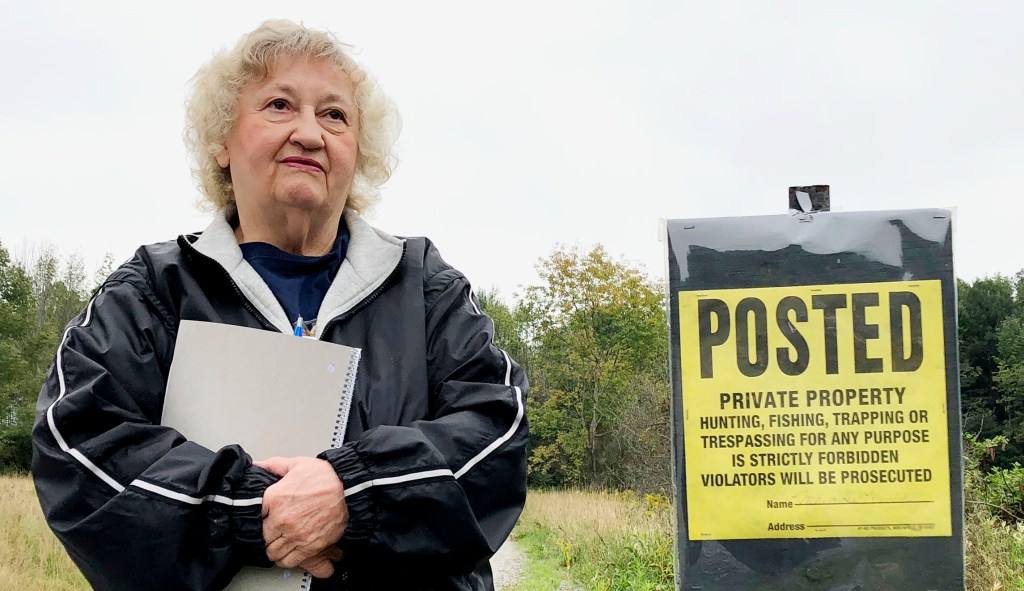
In Knick v. Township of Scott, decided last Friday, the Supreme Court affirmed both principles. The case concerned Rose Mary Knick, who lived on a farm in Scott, Pennsylvania. That property included a graveyard which she believed inters her neighbor’s ancestors. In 2012, the Township of Scott passed an ordinance requiring “all cemeteries … be kept open and accessible to the general public during daylight hours.” The ordinance included private burial grounds like Knick’s. A local official in 2013 then told her that, in compliance with the order, she must allow daytime public access to her graveyard.