

If you are hoping for an industry-wide reckoning in the press following the implosion of the years-long Russian collusion news cycle, which suggested the president conspired with the Kremlin to steal the 2016 election, you’re going to be sorely disappointed.
Media executives are not just unashamed of how their employees have covered this story for the last two years, they are proud of them.
Recommended Stories


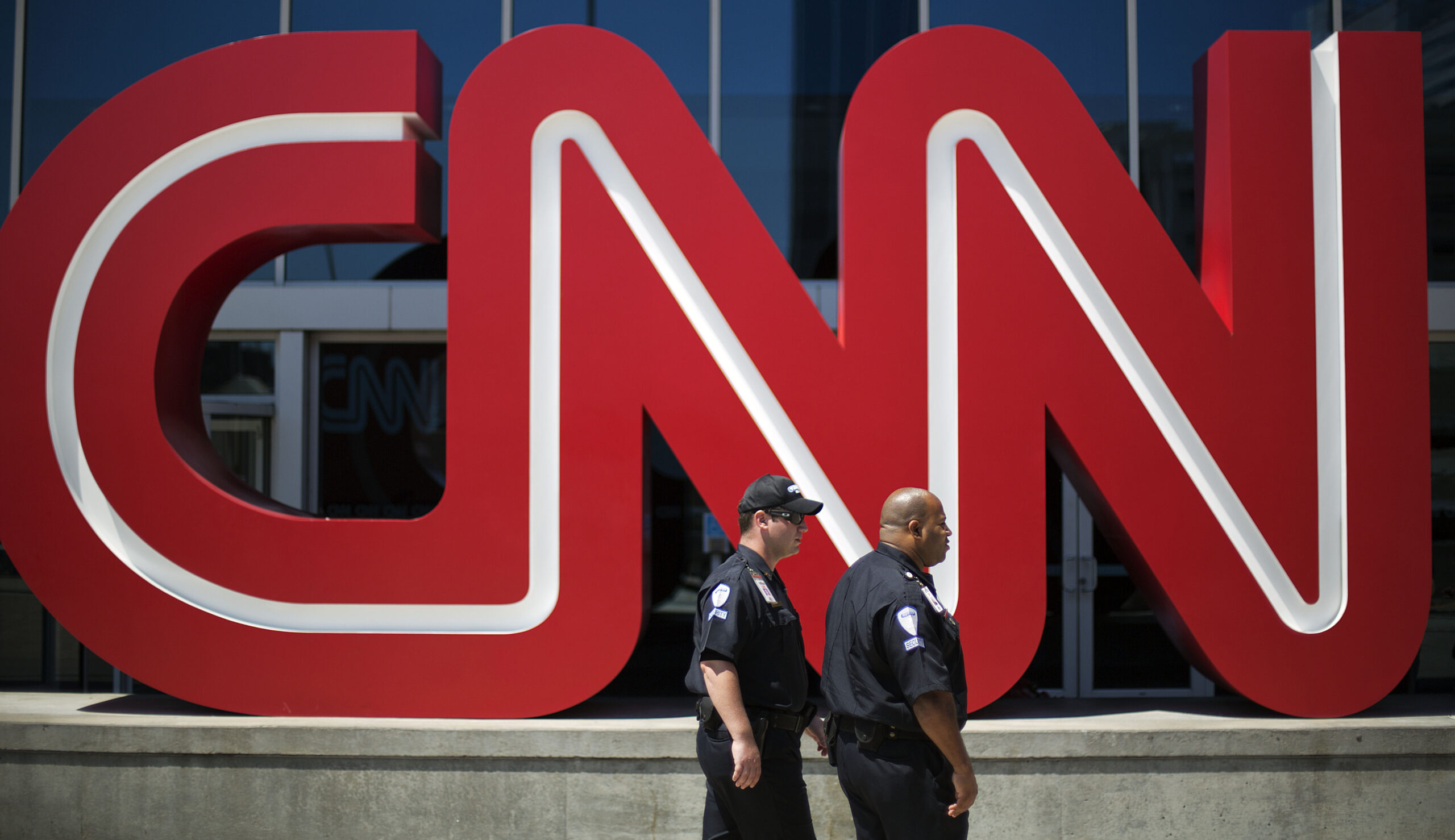
CNN President Jeff Zucker, for example, happily defends his network’s disastrously flawed coverage of the allegations that President Trump conspired with the Russian government to steal the 2016 presidential election, claiming his reporters are not investigators. This is not a paraphrase.
“We are not investigators,” Zucker said. “We are journalists, and our role is to report the facts as we know them, which is exactly what we did.”
For the entirety of the Russian collusion news cycle, which began in earnest around mid-2016, CNN’s contributions to the story teetered consistently between extremely dubious and outright false.
In 2017, three staffers resigned from the network after their story alleging Anthony Scaramucci had ties to a $10 billion Russian investment fund owned by a Kremlin-connected bank was retracted. CNN repeated the almost certainly bogus charge that former FBI Director James Comey was fired shortly after requesting additional resources for the Russia investigation. The cable news network was even forced to issue a series of embarrassing on-air corrections after it claimed incorrectly that Trump and his inner circle received advance notice during the 2016 presidential election of WikiLeaks’ plans to dump thousands of hacked emails belonging to Democratic National Committee staffers and Clinton campaign chairman John Podesta.
Special counsel Robert Mueller’s investigation, which included 40 agents, 2,800 subpoenas, some 500 search warrants, and 500 witness interviews, has concluded without establishing “that the members of the Trump Campaign conspired or coordinated with the Russian government in its election interference activities,” Attorney General William Barr announced this weekend. Barr also said there is not enough evidence “to establish that the President committed an obstruction-of-justice offense.”
Over at the Washington Post, which helped launch this entire Kremlin collusion narrative by falsely reporting in 2016 that Russian operatives hacked a Vermont utility, executive editor Marty Baron sounded a similarly proud and defiant note.
“The special counsel investigation documented, as we reported, extensive Russian interference in the 2016 election and widespread deceit on the part of certain advisers to the president about Russian contacts and other matters,” said Baron. “Our job is to bring facts to light. Others make determinations about prosecutable criminal offenses.”
Like CNN, the Post also reported the extremely unlikely charge that Comey was fired after he requested additional resources for his Russia investigation. The paper also claimed, without evidence, that Deputy Attorney General Rod Rosenstein “threatened to resign” after a “narrative” emerged that he orchestrated Comey’s firing. Rosenstein has denied the story, which hinges entirely on the say-so of anonymous sources. The Post is also the proud steward of an archive of once major “scoops” that, in retrospect, don’t amount to much at all, including the supposed 2017 bombshell alleging federal officials had identified a top White House official as being a “person of interest” in the FBI’s Russia investigation.
Lastly, there’s New York Times executive editor Dean Baquet, whose paper shares a Pulitzer Prize with the Post for its coverage of a story that ended with a big nothing. Like Baron and Zucker, Baquet is very proud of the work his reporters have done covering a collusion story that concluded this weekend with the special counsel saying it couldn’t find any evidence of collusion.
“We wrote a lot about Russia, and I have no regrets,” he said. “It is never our job to determine illegality, but to expose the actions of people in power. And that’s what we and others have done and will continue to do.”
The Times reported in 2017 that Trump campaign officials had colluded with Russian intelligence agents during the 2016 election. Comey himself refuted this story during a hearing before Congress, saying the allegation “was not true.” The Times reported incorrectly that former deputy national security adviser K.T. McFarland conceded in a private email that Russia tipped the 2016 presidential election in Trump’s favor. McFarland herself did not say that. She was paraphrasing Democratic criticisms of the Trump administration. The Times also repeated a leftover Clinton 2016 campaign talking point throughout 2017, claiming inaccurately that “all 17 intelligence agencies agreed Moscow interfered in the U.S. election to get him elected.” Let’s not forget the time the newspaper reported former national security adviser Michael Flynn had referred to himself in a tweet as “the sole scapegoat for what happened.” Flynn never tweeted that. It was a parody Twitter account.
I could go on with additional examples from either of the aforementioned newsrooms, but you get the picture.
Great work all around, team.
