

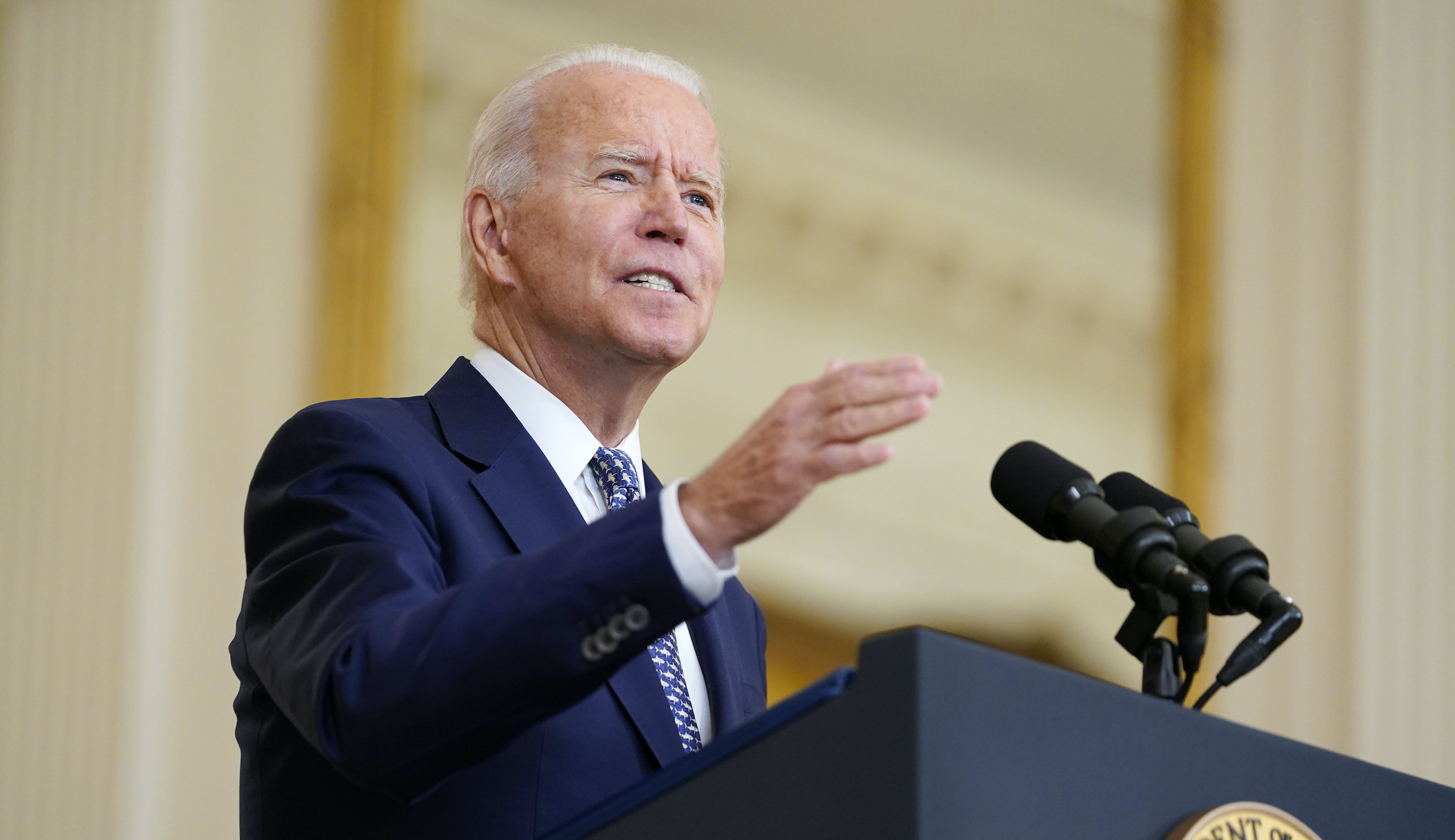
The Biden administration’s decision to renew the so-called “eviction moratorium” has been met with no shortage of critique. Critics have pointed out its flagrant unconstitutionality and the devastating impact it will have on working-class landlords. But at least the Centers for Disease Control and Prevention’s order barring most evictions of nonpaying tenants in much of the country will help renters who are struggling to pay their bills, right?
Nope. At least, not in the long run. The ultimate impact of the “eviction moratorium” will be to leave renters worse off than before.
Recommended Stories


Remember that rent prices have already increased significantly over the last year. According to Zillow’s 2021 Housing Trends Report, about 46% of renters saw a rent increase last year, with the typical increase amounting to about $150. While it might help some renters in the short run, the eviction moratorium will likely exacerbate this troubling trend and send rent prices even higher in the next few years.
Why?
Well, basic economics teaches us that prices are determined by supply and demand. When there’s a decrease in supply, prices go up. And the eviction moratorium makes landlords’ lives much harder, prompting many to take their properties off the rental market altogether. I even interviewed one landlord who said she was leaving two rental units empty because, with the moratorium in place, she had no guarantees that any new tenants she accepted would actually pay her. (And there wasn’t any “moratorium” placed on her mortgage payments or utility bills.)
The moratorium also creates a good deal of uncertainty, which discourages prospective landlords from offering new rentals into the market and makes exiting the rental market more appealing for current landlords.
This is more than just anecdotal. As Reuters reports, “About 23% of small landlords, owning between one and three single-family homes, planned to sell at least one property due to difficulties caused by the eviction ban, according to a February survey of 1,000 such owners by the National Rental Home Council, a Washington, D.C.-based trade advocacy group.”
It’s not particularly difficult to see why many landlords are planning on or considering taking their properties off the rental market. They have alternatives, after all, such as selling the homes to prospective buyers rather than renters.
The eviction moratorium makes providing rental properties a risky endeavor with no guarantee you will actually be able to collect a payment, at least in the short term. It’s only natural that many landlords would be discouraged by such a policy. Yet, the real brunt of that consequence will fall on renters themselves because when the supply of rental housing decreases, prices will go up. Other landlords may start requiring multiple months of rent paid upfront since they cannot evict most tenants. Either way, low-income renters, whom the moratorium is supposed to help, will ultimately suffer.
Some are trying to justify the illegal moratorium because they have so much sympathy for renters who have struggled during the pandemic. But even on this front, the CDC’s hostile intervention into the rental market is only harmful in the long run.
Brad Polumbo (@Brad_Polumbo) is a libertarian-conservative journalist and a Washington Examiner contributor. Subscribe to his YouTube channel or email him at [email protected].
