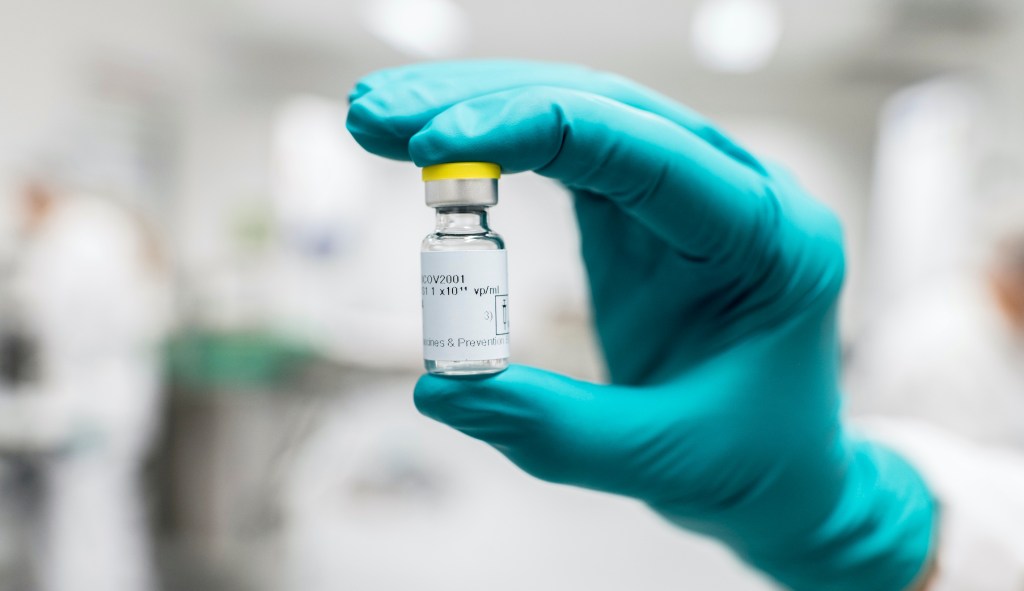
It’s been about six months since the Food and Drug Administration allowed the distribution of the first COVID-19 vaccines via emergency use authorizations, which are preliminary approvals during a public health emergency based on lower standards of safety and efficacy than for a normal, or “full,” approval. As of July 13, 48.1% of the U.S. population had been fully vaccinated.
However, uptake has been inconsistent among different groups and locales, the earlier momentum for vaccination has waned, and there are surges of infections in various under-vaccinated parts of the country. There are many reasons for that, including skepticism about COVID-19 as a threat, worry about the vaccines’ safety, and concern that the vaccines are “experimental” because they continue to be marketed under EUAs’ lower standards. A recent Kaiser Family Foundation survey found that about one-third of adults who have not yet been vaccinated would be more likely to get a vaccine that is fully approved by the FDA, which Pfizer applied for in early May, and Moderna applied for on June 1.