Alexis de Tocqueville may have come to America from France ostensibly to gather information about prisons, but his book, Democracy in America, would be an astute observation about the country’s political and social life in the 1830s. One aspect that particularly got the French aristocrat’s attention was the inclination of Americans to form “associations” — not only “commercial and industrial associations,” but also “a thousand other kinds: religious ones, moral ones, serious ones, useless ones, very general and very particular ones.” Coming from a country with a centralized government and state religion, Tocqueville found America to be a place where citizens created institutions of their own, whether to heal the sick or uplift the poor. And so it is today.
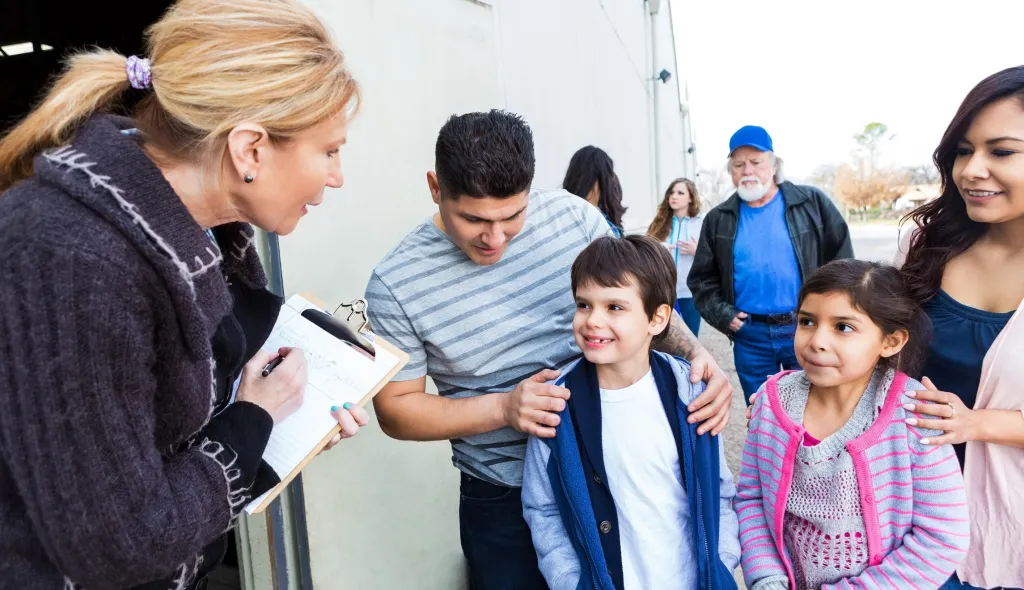
What we now call civil society can be quickly described as the coming together of local leaders and independent, nongovernmental organizations to bring people together for a common purpose or solve a pressing public problem in the community. Oftentimes, we see this in the nonprofit sector with the help of volunteers and private philanthropy. When thinking of examples, I consider many of the community groups not permitted in China: independent churches, Boy Scouts and Girl Scouts, and PTAs.