

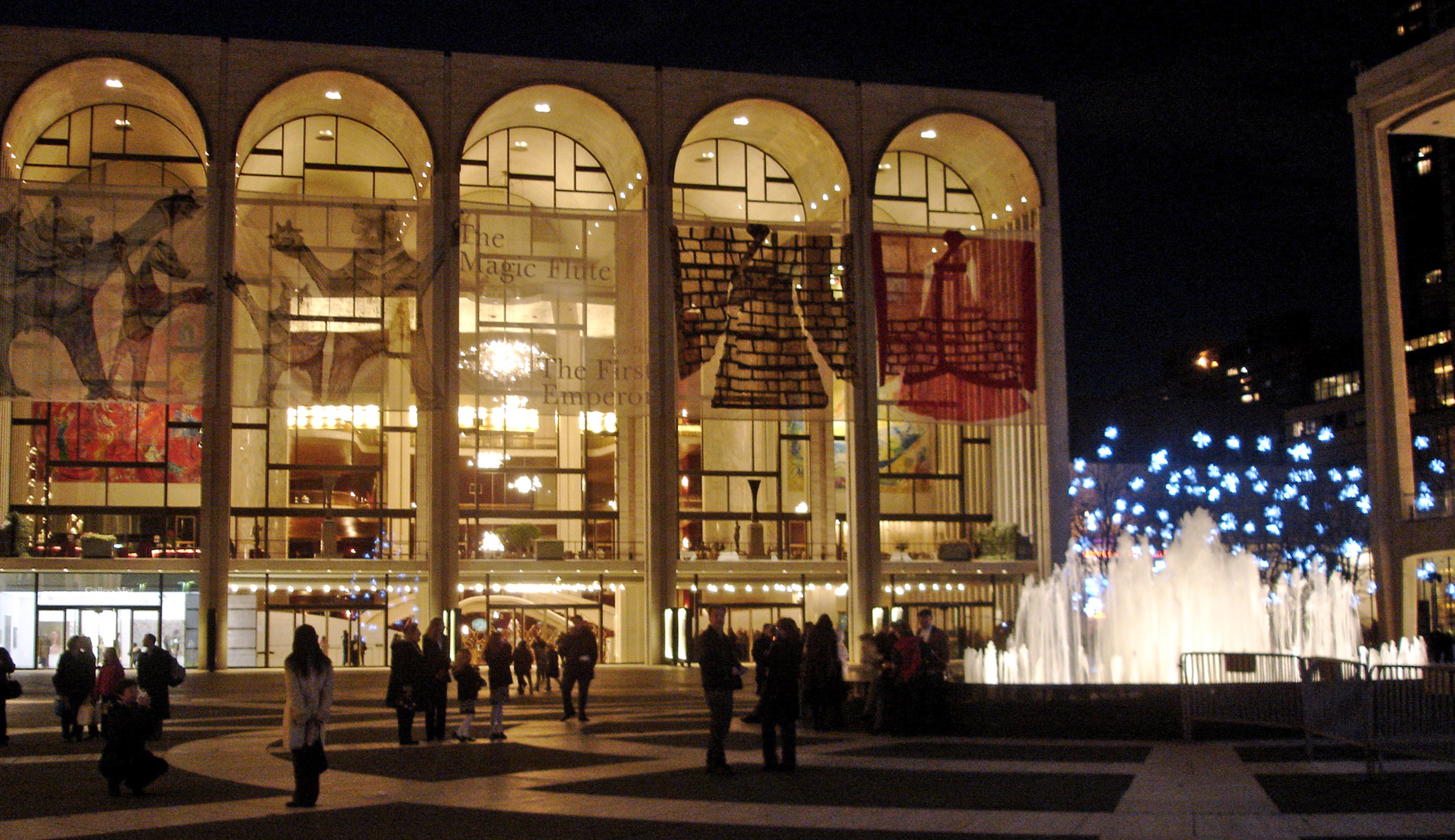
When I try to explain to my non-opera-going friends why they should try it out, I often find myself explaining that, thanks to the magic of subtitles, it is now for us what it long has been for the non-English-speaking West: a marriage of serious drama (or excellent comedy) with the best of music, acting, and stage work — what Wagner called “the complete art form.” The stereotype of large women in horned helmets warbling silly nothings comes largely from the period when American operagoers had lost the language skills that our great-grandparents had, either as European immigrants or European-admiring, upper-class swells. Opera, no longer understandable as drama, had to become simply spectacle. Basically, everyone went to see the 50 or so works that are so good musically that you would listen to them even if you had no idea what was going on, while the directing was aimed at that lowest common denominator. Now, thanks to technology, it is returning to its serious — or comic — roots.
But. But, but, but. There are some things that cannot be intellectualized, and indeed the attempt to do so cheapens them. And ultimately, putting aside all the diva-ish-ness of the divas, disregarding the type of opera fan who likes to chatter about how he saw Netrebko in Vienna in 2003 and, darling, you simply had to be there, cutting through the clippings of the critics who will tell you that the third lead was a little sharp last night — ultimately, there is the wonder of the human voice.
Stay informed.Stay ahead.
Join Washington Examiner for unlimited access to the news, analysis, and commentary that matter most.
Already a member? Log in
