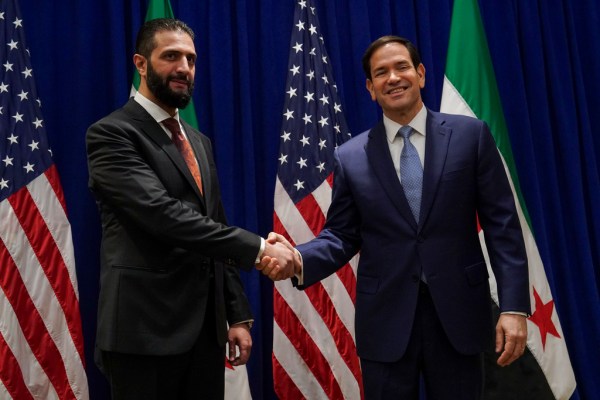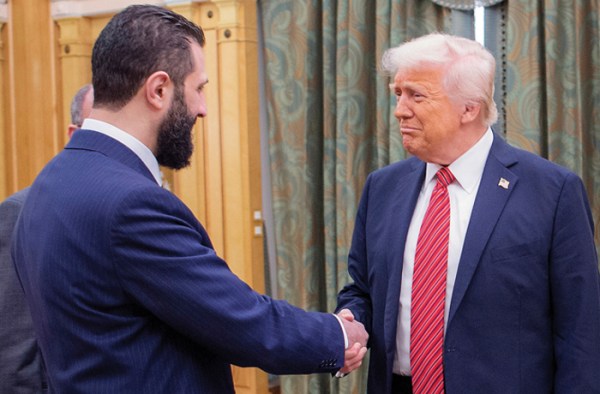
Forty-five years ago, Andrew Young, a civil rights icon whom President Jimmy Carter appointed as his ambassador to the United Nations, resigned. His sin? Meeting with the Palestine Liberation Organization. At the time, there were red lines. Some dictators and all terrorists were so repellent that they were beyond the pale.
Times changed. Within the State Department, savvy diplomats and appointees defined their careers by shattering diplomatic glass. Less than a decade after Young’s ouster, Dennis Ross championed engaging PLO Chairman Yasser Arafat. CIA Director William Burns moved his career into high gear by secretly engaging Libyan dictator Muammar Qaddafi just 15 years after the Pan Am 107 bombing. Jake Sullivan redefined himself from political aide to diplomatic wunderkind when he initiated secret talks with Iran. “You have to be willing to engage with your enemies if you want to create a situation that ends the insurgency,” Hillary Clinton explained to justify her Taliban initiatives. The damage each episode of outreach did to the free world was tremendous, even as these diplomats advanced their careers with supposed boldness. After all, was it wrong to try?