


When the composer Sergei Rachmaninoff left Russia with his wife and two daughters at the end of 1917, he left behind all his works except the recently revised Piano Concerto No. 1 and the vocal score for an opera called Monna Vanna, which he would never complete. He also left behind the family’s beloved country estate, Ivanovka, in the Tambov region, an apartment in Moscow, and most of his personal belongings. He would never return.
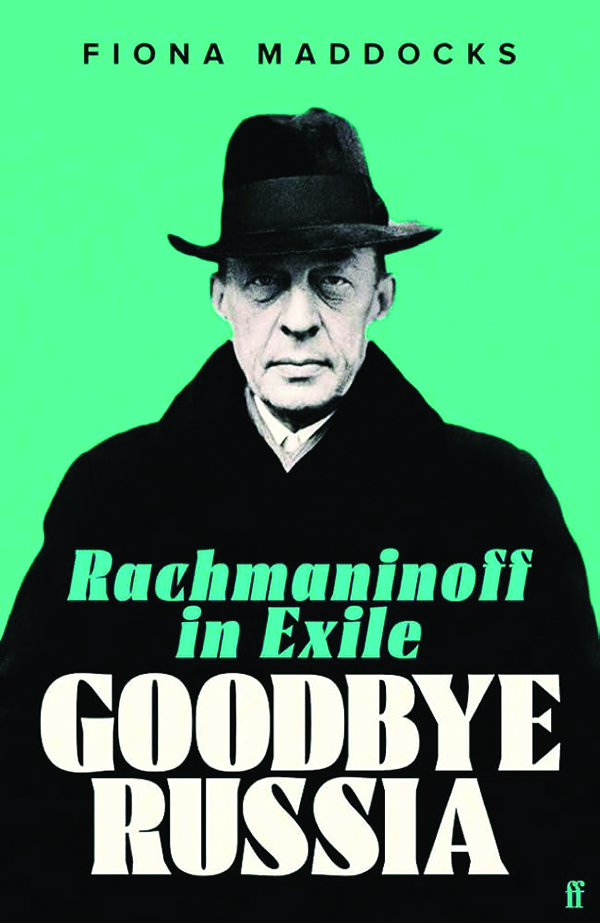
Ivanovka, in particular, meant a lot to him, as Fiona Maddocks writes in her account of Rachmaninoff’s exile, Goodbye Russia. He spent two summers there as a youth with his future wife’s family (she was his cousin) and fell in love with it. When he took over the houses and attached fields and farms in 1909, he spent most of his earnings as a composer and conductor making repairs and updating them. In 1931, 14 years after abandoning it, he still thought of its “broad landscape”: “There are none of the beauties of nature that are usually thought of in this term — no mountains, precipice, or winding shore. This steppe was like an infinite sea … Sea air is often praised, but how much more do I love the air of the steppe, with its aroma of earth and all that grows and blossoms.”
Stay informed.Stay ahead.
Join Washington Examiner for unlimited access to the news, analysis, and commentary that matter most.
Already a member? Log in
