
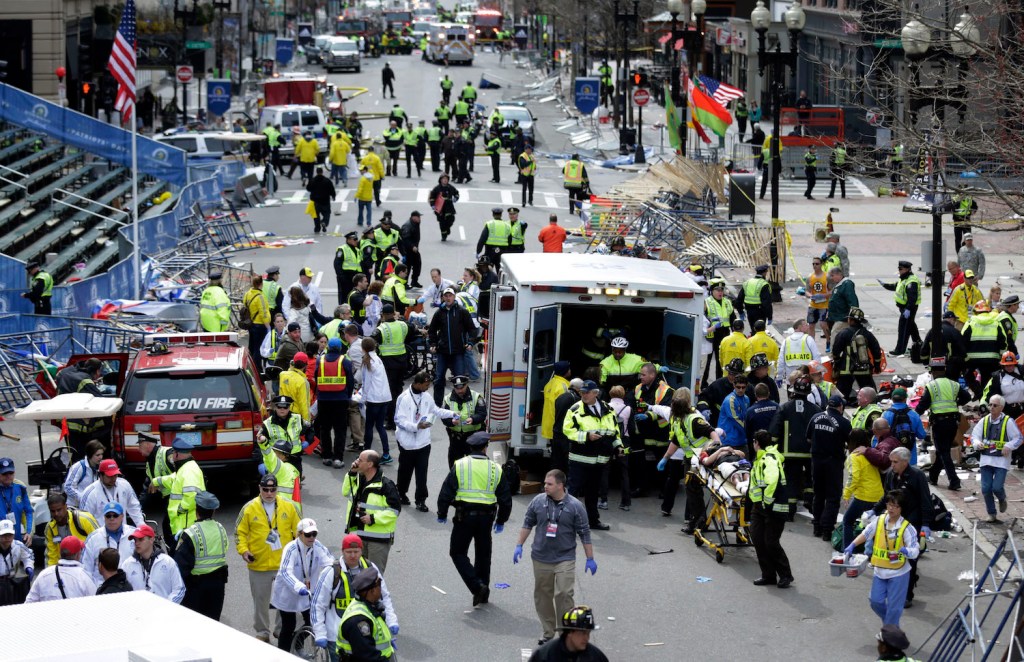
“It’s important to understand that terrorism is psychological warfare,” says Edward Orehek, a psychology professor at the University of Pittsburgh. Terrorism is an effort to reach political objectives by inspiring fear. Yet terrorists aim not only to kill but also to disrupt ordinary life. Are they succeeding?
Many pundits try to gauge the public mood after an attack, and it often seems that one’s guess is as good as another’s. Is the citizenry defiant, resigned, or intimidated? Terrorists choose their targets not based on military or political importance, but rather emotional and visceral impact. If there is no emotional response, terrorism cannot achieve its desired outcomes.
Recommended Stories


Print subscriber? Click here to login/register your account
Digital subscriber? Click here to login/register your account.