Orioles move the outfield wall back. Everyone else should do the same.

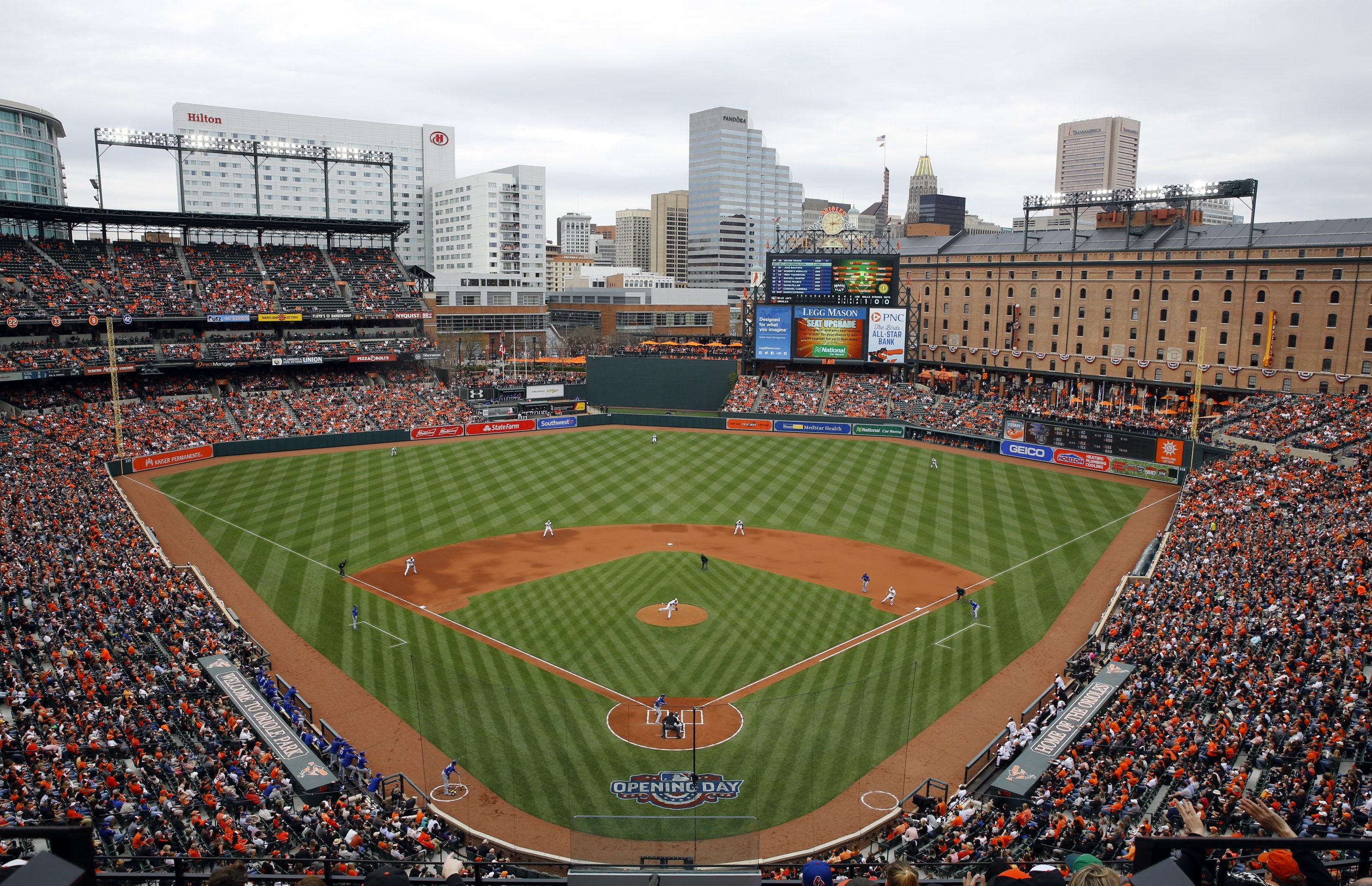
The left-field fence at Oriole Park at Camden Yards will be deeper next year by maybe 30 feet. That’s a good move, and other stadiums should follow suit.

Moving the fences back in all dimensions of every ballpark is one of the best reforms baseball could make today. WTOP says a deeper fence in Baltimore is part of “an effort to make Oriole Park at Camden Yards a bit easier on pitchers.” That’s the least important reason to do this.


The most important reason is the current excess of strikeouts, home runs, and walks. In baseball commentary, these are called the “three true outcomes” because they purely reflect the pitcher-batter matchup and omit the defense. (Purportedly, this term began as a dark joke.) But a game that is all strikeouts, home runs, and walks is a boring game.

Sadly, Major League Baseball is increasingly this boring game. From 2 in every 9 at-bats resulting in a walk, homer, or K, we’re now at 3.5 in every 9. That means fewer throws, fewer footraces, fewer decisions whether to send the runner or not, fewer diving catches, and less excitement.

The best way to fix this problem would be to move all fences back in every ballpark about 30 feet or more. What would that do?

The first-order changes would be two: Fewer well-hit bombs would be home runs, and hits that get past the outfielders would roll a lot longer.

Then consider the second-order effects of deeper fences.

The second-tier sluggers would become a bit less valuable, as many of their homers would become flyouts, and some would become doubles.

Batters with more foot speed would become more valuable, as triples would become more of a thing.

Outfielders would play deeper, which would result in more singles dropping in front of them. Deeper outfielders also means larger gaps between them, thus more gappers, more doubles, more diving catches, and more dudes gunned down going for a double or triple.

Outfield defense would become more valuable because of all of the above.

Pitchers would be bolder because they would fear homers less. Batters who saw homers more out of reach and singles more in reach would “wait for their pitch” less, thus go deeper in the count less, and thus strike out and walk less.

An obscure article in the Federalist a few years ago made this case and even argued that “the shift” would be more dangerous with deeper fences.

“Larger outfields would increase the cost of defensive shifting. Right now, if teams overload the right side of the diamond, a clever hitter who punches the ball weakly to the left side can only hope to get a single out of it. But if the left fielder in our new cavernous outfield starts the play 250 feet away from the shortstop, that slap single may easily become a slap double. Especially in an environment of more contact hitting, that prospect would pull defenses back toward their traditional — and aesthetically felicitous — positioning.”

Hopefully, the rest of the league will follow the Orioles. They’ve been leaders on salutary innovations in baseball. They pioneered the idea of letting young children for free into the upper deck. They’ve moved school night games earlier in the day.

It’s called changing the game without changing the game. Hopefully, others will follow them.

Related Content
