

Anybody who has ever played Whac-a-Mole is likely to recognize the current congressional debate over whether to reform its arcane process on miscellaneous tariff bills. MTBs are the new earmarks. They reduce or waive U.S. levies on products that must be imported by U.S. firms, usually for three years. The key facts on MTBs — which until recently hardly anybody outside of Congress knew about — are that they must be introduced by individual congressmen and no single MTB can reduce federal revenues more than $500,000 per year. Thus, companies seeking MTBs must come, hat in hand, every three years to persuade a senator or representative to introduce a bill.
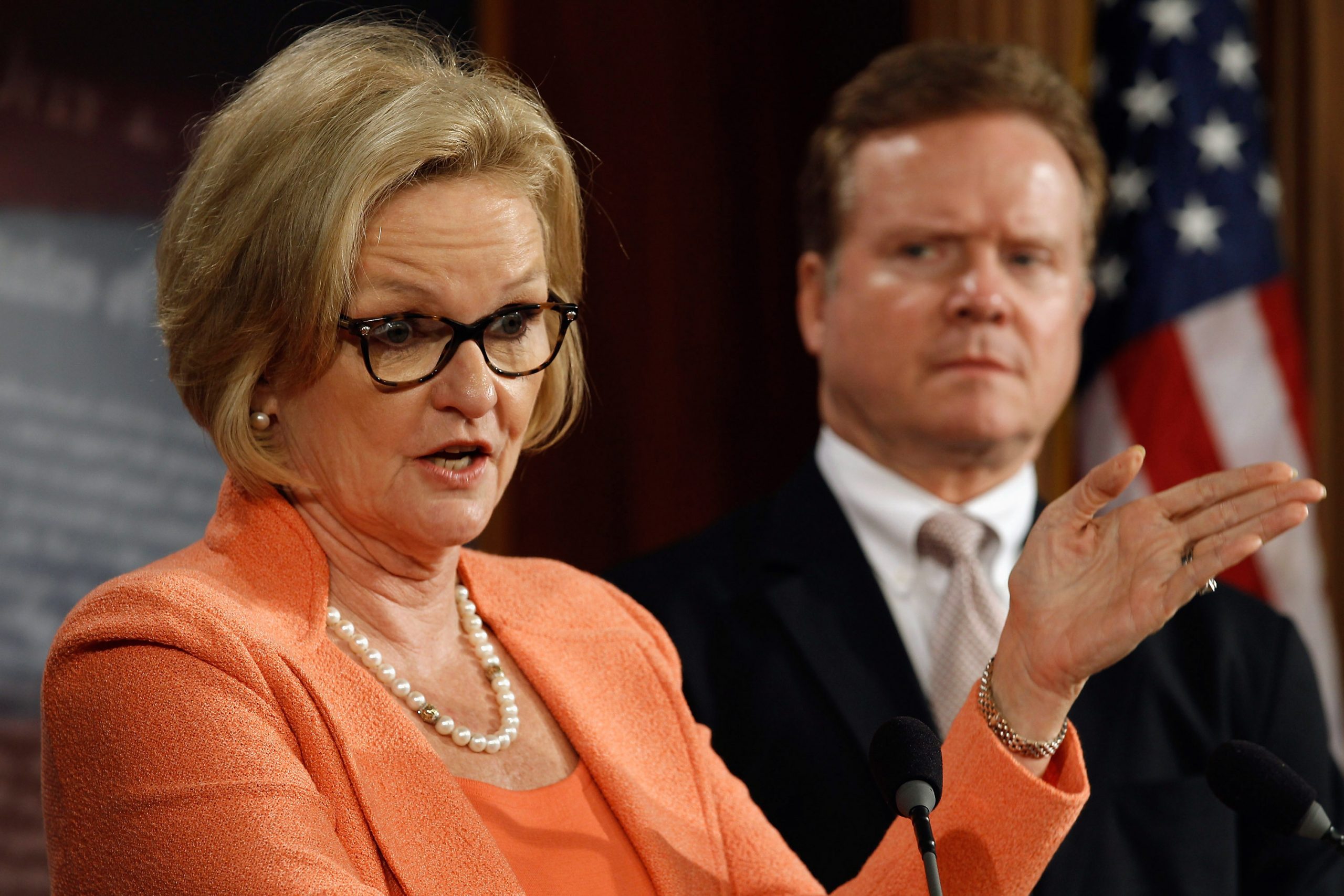
MTBs create an obvious opportunity for campaign finance mischief and influence-peddling. As Sen. Claire McCaskill, D-Mo., said last week, “There is a lot of political fundraising wrapped up in this ugly stew. If we allow this process to continue, then we really have allowed the earmark process to continue.” She has joined with Sens. Rob Portman, R-Ohio, and Jim DeMint, R-S.C., in an effort to reform the MTB process by letting companies go directly to the U.S. International Trade Commission for MTBs, subject only to a congressional veto.
Stay informed.Stay ahead.
Join Washington Examiner for unlimited access to the news, analysis, and commentary that matter most.
Already a member? Log in
