

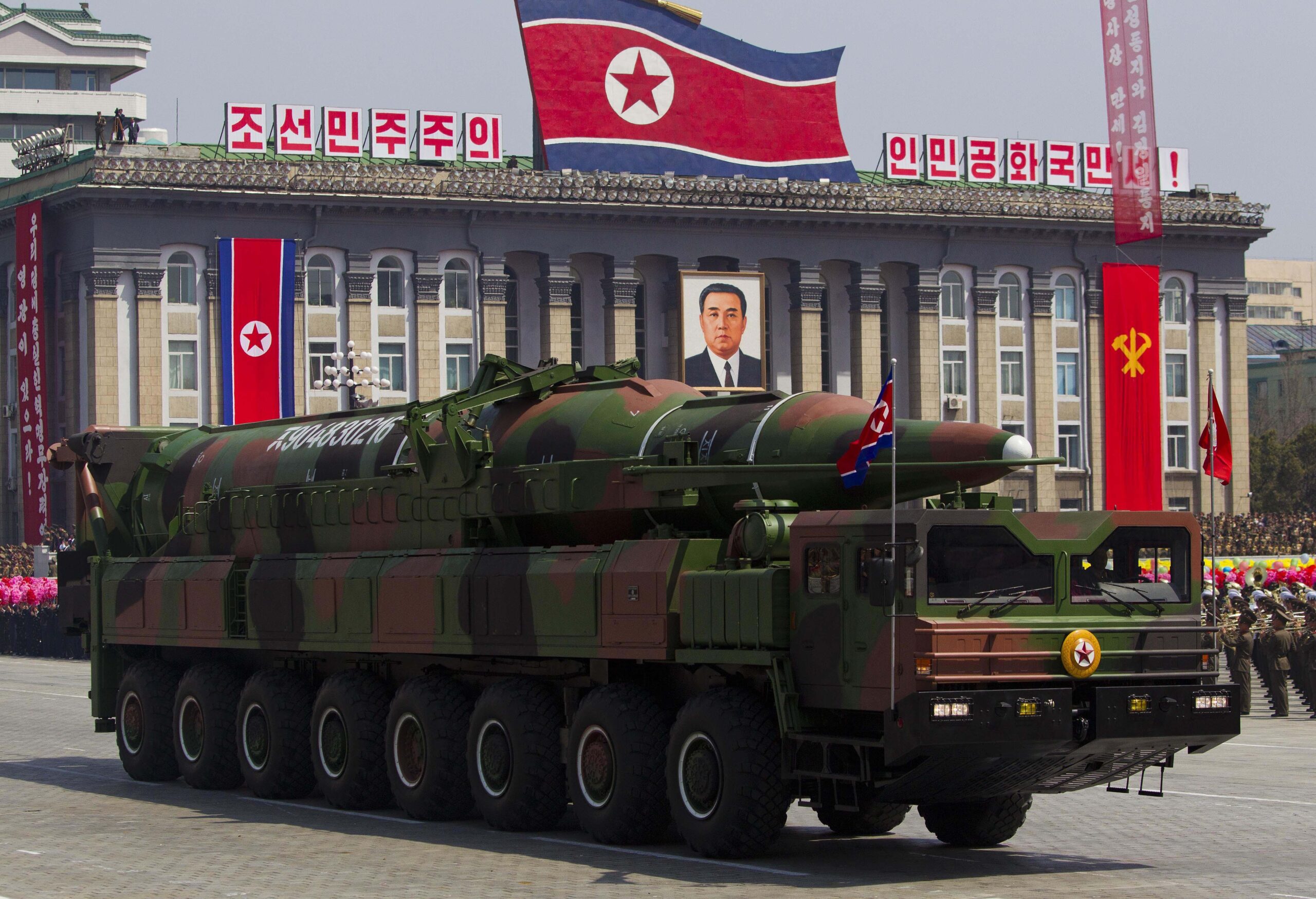
North Korea is impatient that U.S. and international sanctions remain in force against it. We should expect at least one new North Korean missile test in the months ahead.
In an aggressive statement on Thursday, North Korea warned that “The United States must now recognize … the accurate meaning of the denuclearization of the Korean Peninsula … means the removal of all sources of nuclear threat, not only from the South and North but also from areas neighboring the Korean Peninsula.”
Recommended Stories


The North Koreans are complaining here about U.S. nuclear strike forces out of Guam, and the fleet nuclear ballistic missile submarine force in west Pacific waters. Yet the key point here is that North Korea knows the U.S. will never remove its submarine forces from the Pacific. They know that their nuclear threat to America and that posed by China, and Russia requires America’s presentation of an effective deterrent counterforce. So why, if North Korea knows its demands are absurd, is it making them?
Well, to grab U.S. attention. Kim Jong Un and his hardliner head honcho, Kim Yong Chol are aggravated by the Trump administration’s unwillingness to dance to Pyongyang’s traditional diplomatic waltz. Which is to say, Trump’s reluctance to reduce sanctions and invest money in North Korea in return for its mild-to-false concessions. Kim had hoped that Trump’s active praise of him over the past few months would meet functional U.S. concessions.
But beyond a U.S. reluctance to impose significant new sanctions on North Korea, Trump has (somewhat) disappointed Pyongyang. Instead, the president has charted a careful course between confidence building and demanding North Korean steps towards denuclearization and the dismantling of its intercontinental ballistic missile program.
The problem for Kim, then, is that absent the kind of sanctions relief that would allow for greater foreign capital inflows and easier global trade, the North Korean economy continues to operate in crisis mode. It’s only real salvation are the increasingly rampant Chinese and Russian breaches of the sanctions embargo. One way or another Kim needs to change this state of play. But with the Trump administration rightly reluctant to copy South Korea and overtly appease Kim’s regime, Kim has only two options left. Either he can begin verifiably dismantling his missile and nuclear sites and receive U.S. concessions. Or he can return to the brinkmanship of 2017, firing off new missile tests in an attempt to corral the U.S. to new concessions.
Regrettably, I believe that Kim will choose the second option, because doing so will allow him to advance his ICBM strike capability. Remember, although he has suspended missile tests, Kim’s scientists have kept working to improve the delivery, targeting, and survivability systems on his warhead re-entry vehicles. As an extension, those improvements need testing if they are to take on a new threat. That takes us back to my concern as to tests coming early next year.
Trump should get ahead of this threat. The president should be clear to Kim and to his patrons, Xi and Putin, what will happen if North Korea does conduct a new missile test. Namely, that any new test will break the diplomatic process, perhaps irrevocably. That new sanctions will include Chinese banking institutions alongside cyberattacks on any and all who support Kim’s regime. And that if North Korea still decides to play games, the B-2s will be ready.
