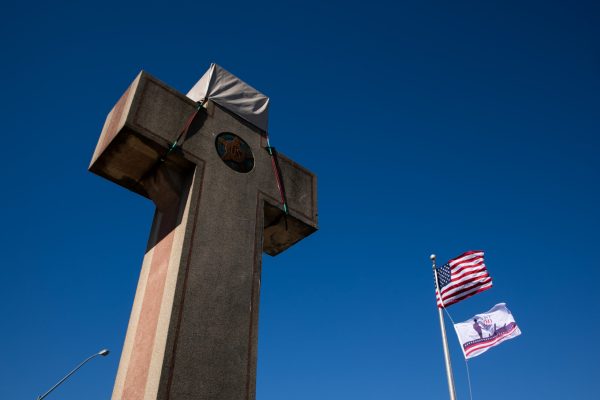
The Supreme Court’s decision last week in favor of the so-called Peace Cross in Bladensburg, Md., is a welcome result that will have far-reaching impact for perceived religious symbols on public lands across the country and, perhaps more centrally, Americans’ ever-evolving relationship with issues between church and state.
Not being lawyers, but rather architects with particular focus on forms of constructed space that give comfort to the soul, our interest in the Peace Cross case has never been the legal standards of the Establishment Clause of the First Amendment — which prohibits government from “establishing” a religion — but rather the question of whether the court would respect the historical intentions of the Bladensburg community to honor its war dead in a once-common tradition or instead set them aside in favor of the broader “cultural evolution” of more modern generations.