

An obscure and little-known federal statute has suddenly been thrust into the forefront of the national consciousness. Recent splashy indictments and plea deals in the ongoing and seemingly neverending Trump-Russia collusion saga have the country abuzz. They have also led to a proliferation of social media “legal expert” weigh-ins. And once the debates on whether or not collusion is a crime, and what-Trump-knew and when-did-he-know-it, are predictably left unsettled, the pundits move on to Title 18 U.S.C. §1001, the making of false statements — more commonly known as lying to the FBI.
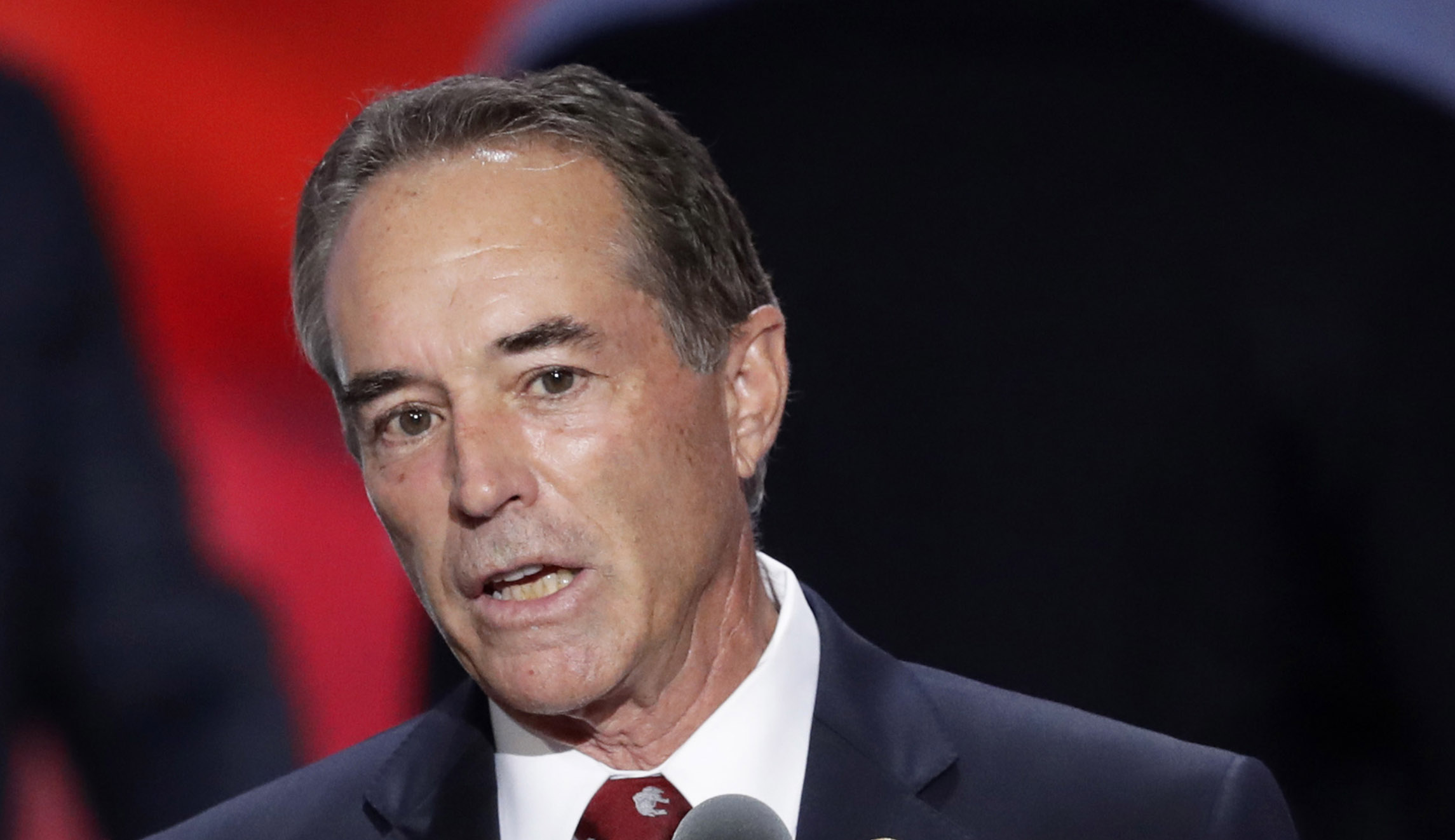
On Wednesday, Rep. Chris Collins, R-N.Y., was arrested, along with his son, and charged with insider trading and violation of 1001. If the security fraud charges are proven, Collins may ultimately turn out to be the most hapless and dumbest wannabe inside trader Wall Street has ever claimed as an investor. The media have also made certain to relentlessly point out that Collins was the first sitting member of Congress to endorse candidate Trump. But the government’s selected charges against Collins aside, it was his indictment on those same “lying to the FBI” allegations that seemed to follow a particular pattern of the government; one where they seemingly only seek to pursue this particular statute when the “fish” is of appropriate heft.
Stay informed.Stay ahead.
Join Washington Examiner for unlimited access to the news, analysis, and commentary that matter most.
Already a member? Log in
