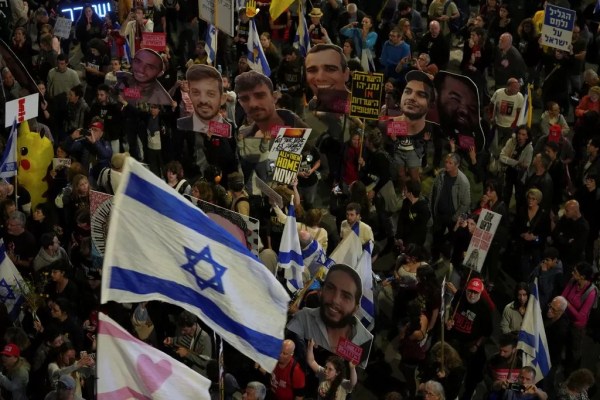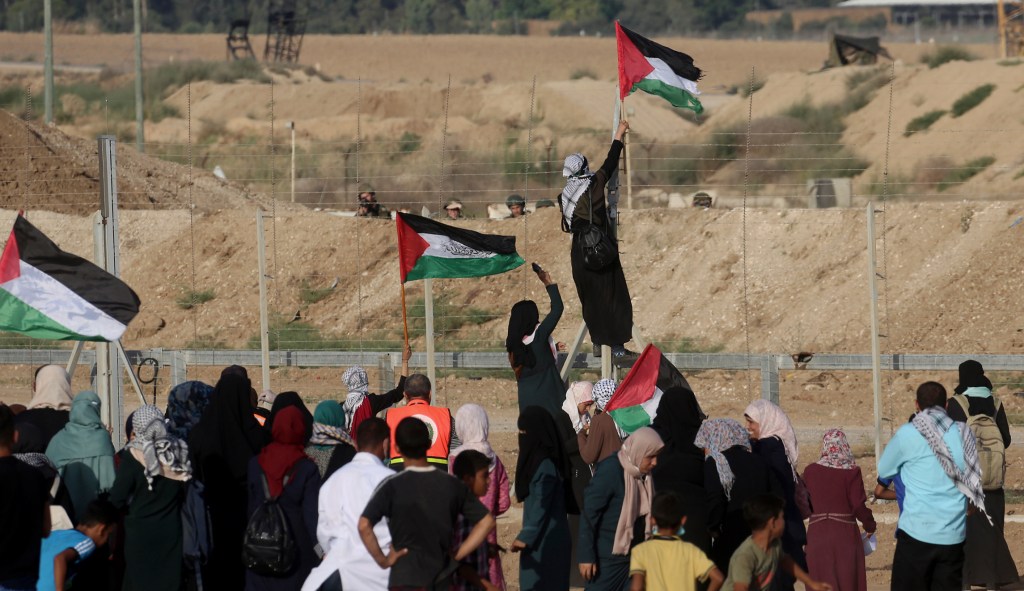
The Middle East can be an incredibly unpredictable region. Syria’s Bashar Assad found this out the hard way when his police state arrested and tortured a few schoolboys for writing anti-government graffiti on the walls, only for the country to erupt into a full-blown proxy war. But there is one constant in this otherwise dizzying part of the world: the prevalence of the Israeli-Palestinian conflict. Countless men and women have tried to resolve the region’s longest dispute, only to walk away in sheer frustration, anger, and unreserved disappointment.
In the discussion about Middle East peace, the Gaza Strip is usually a stagnant backwater. The 140-square mile territory nestled between Israel, Egypt, and the Mediterranean is a bleeding ulcer in the intestinal lining up of the peace process – a place so impoverished, economically destitute, and politically stifling that it has been intermittently described as the world’s largest open-air prison. Gaza’s 2 million inhabitants live in a perpetual state of siege, with Israel and Egypt limiting the amount of aid and fuel that can go in and the number of people who can go out. Youth unemployment is at 60 percent, raw sewage leaks into the sea, and the power shortages are so bad that Gaza Palestinians are lucky to get 4 to 5 hours of electricity a day.