President Obama and California Gov. Jerry Brown are enchanted with high-speed rail projects. They argue that it is the transportation mode of the future (though Japan’s Shinkansen, the bullet train, went into operation in time for the 1964 Olympics, more than 50 years ago), that it will save energy (even though it uses electricity, which California is currently importing from high-carbon-emitting coal-fired electric plants) and that it will be convenient to users (who, though residents of spread out metro areas, are expected to flock to high-density and low-parking-facility station areas).
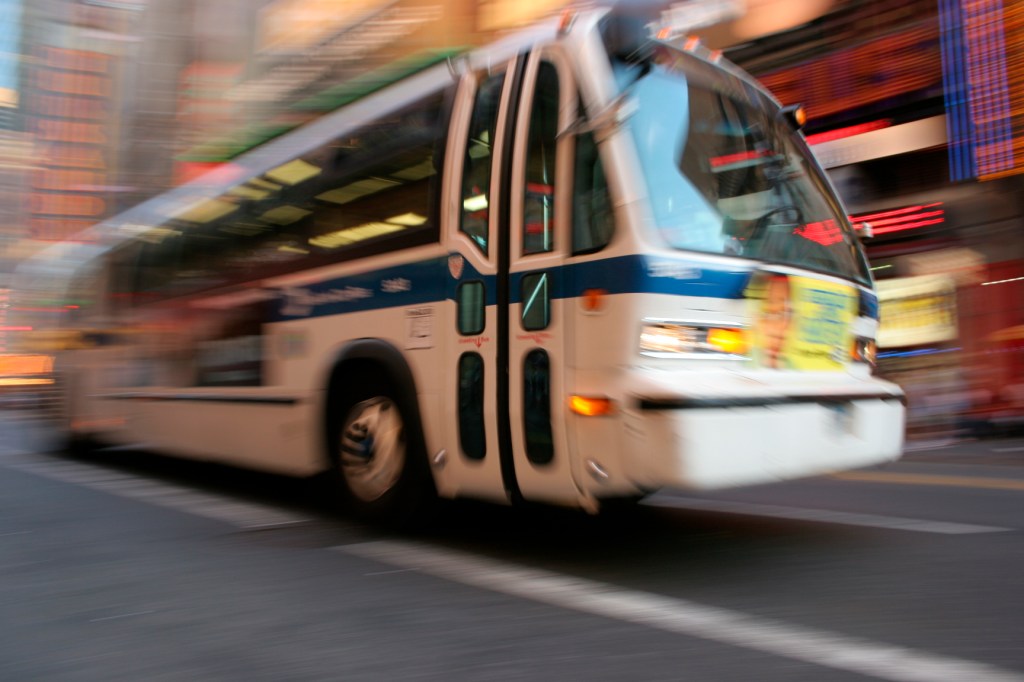
I have another nominee for the transportation mode of the future — or actually the present: buses. As this article by Dr. Joseph Schweiterman at Joel Kotkin’s newgeography.com website shows, there has been a significant increase in intercity bus lines in recent years. And not just in the Northeast Corridor, but in Texas as well. Schweiterman argues that buses make economic sense on trips of 350 miles or less. Travelers don’t have the hassle of driving; they can sit in comfortable seats, with WiFi and plugs for their chargers or, for a low fee, around conference tables; departure and arrival locations and times can be shifted easily to accommodate changing patterns of use.