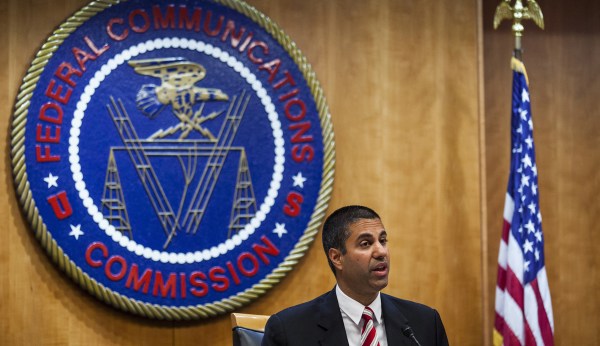
With the announcement that the Federal Communications Commission will be voting on the Restoring Internet Freedom Order at its Dec. 14 meeting, the supporters of net neutrality are again clamoring that this is the “end of the Internet as we know it.” This hysteria has been occurring on and off for many years. It rose to a heated fervor in 2014; subsided following the February 26, 2015 adoption of the Open Internet Order under former FCC Chairman Tom Wheeler; and is currently reaching an unprecedented level of vitriol, including hateful attacks and personal threats against current FCC Chairman Ajit Pai and his family.
Everyone wants an “open Internet.” Indeed, then-FCC Chairman Michael Powell provided four guiding principles of Internet freedom in 2004: the freedom to access lawful content on the Internet; the freedom to use applications; the freedom to attach personal devices to the network; and the freedom to obtain service plan information. The FCC adopted these principles in 2005 in its Internet Policy Statement. For 10 years, these principles allowed a truly open Internet to flourish without burdensome government regulation or interference, as had been envisioned by Congress and the Clinton administration in 1996 when they agreed to regulate the Internet with a light touch.