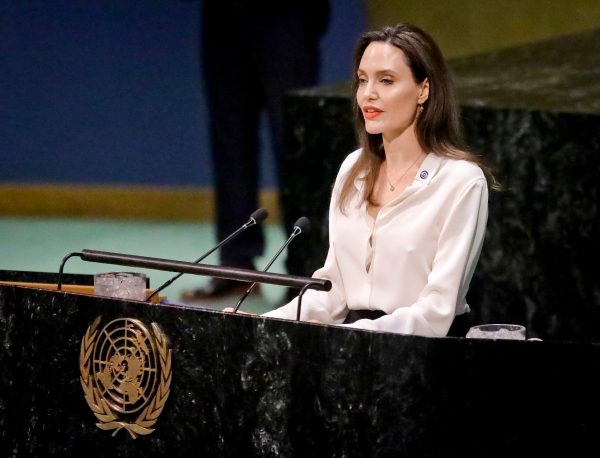
President Donald Trump and Secretary of State Marco Rubio approach the United Nations with skepticism for a reason. In Washington, at least, the U.N. has a reputation for waste. Many senior American policymakers today got their start as revelations emerged about the U.N.’s multibillion-dollar Oil for Food Program, the appearance of U.N. Secretary-General Kofi Anna’s son Kojo in the Panama Papers, and U.N. General Assembly President John Ashe’s alleged acceptance of bribes. The U.N. Relief and Works Agency and the U.N. Human Rights Council are minuscule compared to total U.N. operations, but manage to soil the entire institution’s reputation.
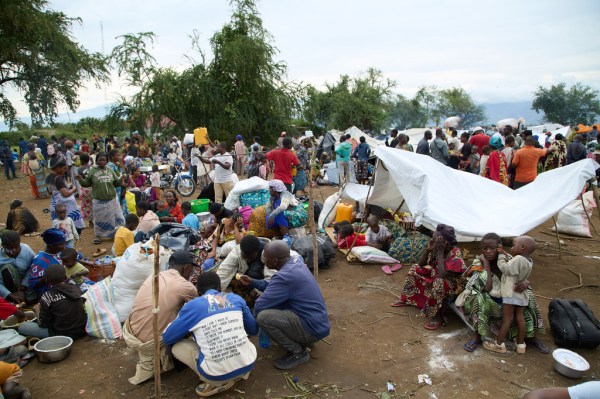
But whatever its flaws and staff cuts at the top, the U.N. remains an organization that can fulfill services individual states cannot. The General Assembly enables quiet conversations even among states that do not have diplomatic relations. Being in the same room can open unexpected opportunities. U.N. Peacekeeping can sometimes do more, more cheaply than the United States can. Yet, for every successful mission in Liberia, Sierra Leone, and the Ivory Coast, there are decadeslong failures in the Democratic Republic of Congo and Western Sahara. The U.N. is notoriously bad at separating wheat from chaff.