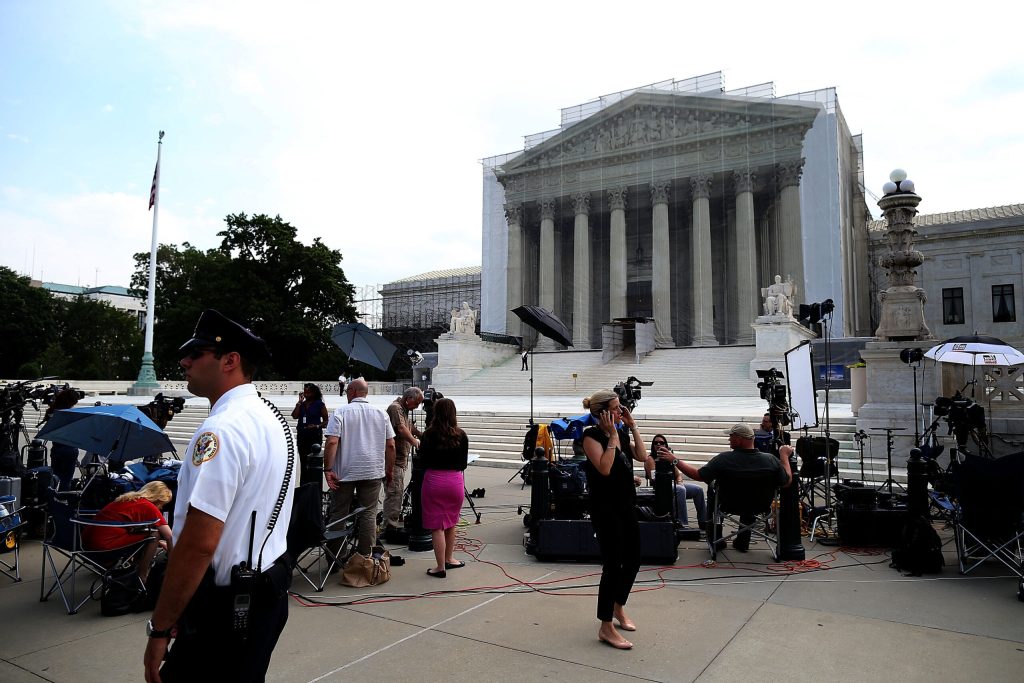
Over the past several decades, as the Senate confirmation process has become increasingly contentious, presidents have tested the boundaries of their constitutional authority to make appointments while Congress is in recess. But this week, the U.S. Supreme Court announced it would consider whether President Obama went too far in making several appointments in 2012, providing justices with an opportunity to clarify and limit a presidential power run amok.
The U.S. Constitution stipulates, “The President shall have power to fill up all vacancies that may happen during the recess of the Senate, by granting commissions which shall expire at the end of their next session.” But what constitutes “recess”? How long does it have to be? And when do vacancies have to arise to become eligible for recess appointments? Courts have never adequately resolved these questions. As a result, Republicans and Democrats have engaged in a long tit for tat over presidential recess appointments, typically changing their positions based on which party controlled the White House.