

A recent discovery in Appalachia could unlock U.S. dominance in lithium, an increasingly critical mineral. Policymakers should eliminate processing and regulatory hurdles that have kept similar riches locked away and ensure that the United States is well positioned to take advantage of its richness in this important asset.
Last week, the U.S. Geological Survey announced that 2.3 million metric tons of previously undiscovered but economically recoverable lithium could be extracted from Appalachia. There could be enough to replace 328 years of U.S. imports at last year’s level. The lithium is found in pegmatites, large-grained rocks similar to granite.
Recommended Stories
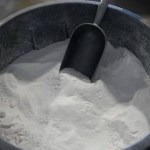


The discovery could be transformative, for the region and for the nation.
Lithium is sometimes referred to as “white gold” and is important to many sectors of the economy. It is used in computers, military equipment, vehicles, phones, electric tools, and energy-grid storage. The Geological Survey projects that global lithium production capacity will double by 2029, driven by rising demand. Top technology companies have made securing a steady supply a priority. So have many governments.
Growing demand for lithium appeared to have come at a bad time for the U.S. It had been the world’s dominant producer of lithium until three decades ago but has since been supplanted by its foremost foe. China is now the world leader in lithium production and refining. It controls a significant share of supply, giving the Chinese Communist Party tremendous leverage.
The CCP uses economic coercion to achieve its political aims. Its dominance of the lithium market can be used in disputes with other nations over trade, Taiwanese sovereignty, or any number of other issues.
But the recent discovery of massive lithium deposits in the U.S. might forestall that. USGS Director Ned Mamula noted that the U.S. now has the “abundant potential to reclaim our mineral independence.”
By becoming a lithium-producing powerhouse, the U.S. could protect its national security while creating jobs in Maine, New Hampshire, and the Carolinas, which is where the lithium would be mined. “When we have these resources within our own country,” Environmental Protection Agency Administrator Lee Zeldin said, “we should not only be extracting them here — we should be processing them here.”
But doing so will not be easy. Regulatory hurdles stand in the way.
Extracting, refining, and producing lithium falls under the purview of the National Environmental Policy Act, which often causes years of delay in permitting for new mines and refineries.
As Secretary of the Interior Doug Burgum noted in February, NEPA has for decades been “twisted into a weapon to block energy, infrastructure, and conservation projects.” Under Burgum, the Department of the Interior recently launched an effort to reform and revamp NEPA and fix what one DOI official called a “broken permitting system.”
SPANBERGER’S BAD DAY IN COURT
Associate Deputy Secretary of the Interior Karen Budd-Falen said NEPA was meant to be a “procedural law that informs decisions,” not “a regulatory maze that delays them for years.”
The recent discovery of an unprecedented amount of recoverable lithium in the U.S. might present the newly reformed NEPA with its first big test. The U.S. has the potential to become a leading lithium producer again — but only if the government gets out of the way.
